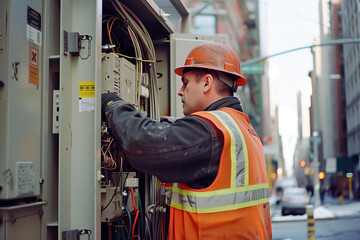
There are some DIY electrical projects you should leave to licensed professionals. Flickering lights, burning smells, buzzing sounds from outlets, or frayed wires should all prompt you to call for help.
These warning signs hint at serious wiring issues or circuits struggling to keep up with demand. Addressing them promptly reduces the risk of fires and other damage. Contact Nash Electric LLC to learn more.
Circuit breakers keep tripping
There are a few different reasons why your circuit breaker keeps tripping. It could be due to an overload, a short circuit, or a ground fault. Each of these problems can cause significant electrical issues and safety risks, so it’s important to get them fixed quickly.
Breakers are designed to shut off power when a circuit is overloaded, but it shouldn’t happen regularly. If you’re noticing frequent breaker trips, it’s a sign that there are underlying issues that need to be addressed. These issues, if left unaddressed, can lead to overheating, fire risk, and damage to your electrical system.
Overloading a circuit happens when too many appliances and devices are connected to the same power source. This can overwork the wiring and lead to a dangerous voltage surge that causes your breaker to trip. Try to reduce the number of appliances and devices on a particular circuit, or shift heavier appliances to another general-purpose circuit. If you can’t figure out what is causing the overload, consult a professional to make sure your wiring is safe and properly connected.
A short circuit is caused when active wires come into contact with each other or a neutral wire. This can also occur in outlets when a loose or damaged outlet cover allows hot and neutral wires to touch. A short circuit can lead to overheating and fires, so it’s a serious problem that requires immediate attention.
If your breaker trips while you’re working on an electrical project, turn off the power at the breaker box and use a tester to test each wire for voltage. If you can’t find what is causing the problem, it’s best to call in a professional electrician right away.
Outlets or switches feel warm to the touch
Your outlets are wired to provide grounded power for the appliances, lightbulbs and other devices you use in your home. If an outlet feels warm to the touch, it could be a sign of a dangerous electrical problem.
A slight warmth is normal for most outlets, but if an outlet feels hot or even burning when plugged in, it should be immediately replaced with a new one. This is usually a sign of circuit overload or loose wiring that’s generating heat. Left unaddressed, this heat can melt insulation and start a fire behind the outlet or in the wall.
Before you try to fix a warm outlet or switch yourself, turn off the power at your breaker box using a voltage tester and make sure to wear insulated gloves. Next, carefully assess other outlets on the same circuit to see if they are also warm or hot. If so, call a professional electrician to safely assess your wiring, circuit breakers and panels for problems.
Licensed electricians can diagnose and repair a wide range of issues, from faulty outlets to blown fuses. They can also ensure that your house’s wiring is up to code, which lowers the risk of electrical faults and other hazards.
Trying to tackle electrical issues without a licensed electrician can be hazardous and lead to costly repairs. However, there are some warning signs that indicate you need to seek professional help. These include frequent circuit breaker trips, buzzing noises from outlets and burning smells near outlets or switches. Addressing these issues quickly can reduce the risk of fires and other damage to your home. If you have any of these warning signs, contact a licensed electrician for immediate assistance.
Electrical shocks or tingling
Electric shocks or tingling are not normal and should be treated as a serious warning sign. They could mean there is a problem with the wiring, switchboard or power lines and it’s important to contact your electricity distributor as soon as possible.
If someone you know or love is experiencing an electrical shock, don’t touch them directly unless you can break the circuit with something nonconductive (like wood or plastic). It’s also important to call 911 and make sure that the person has been disconnected from the current by your local electricity company. Depending on how badly they’ve been shocked, they may need immediate medical attention, or their nerves may have been damaged and cause long-term health complications.
Children are prone to electrical shock from household appliances and extension cords. They can be severely injured, especially if they bite the cord in their mouth or get caught on the cord as it’s being pulled from a wall outlet or light socket. This is why it’s so important to always supervise them when using electrical devices and to check that the safety switches are working correctly.
Tingling sensations can also indicate that a nerve is being irritated or compressed. This is usually the case with carpal tunnel syndrome, but it can also be caused by other conditions like fibromyalgia or even certain cancer treatments, which can interfere with how nerves communicate with the brain. These sensations can range from mild and fleeting to severe, stabbing pain that radiates into the rest of the body. Treatment will vary, but will usually involve pain relief medication and physiotherapy to help the muscles recover. This will also help reduce the risk of future tingling or shocks.
Unusual sounds
Unusual sounds can be annoying, but they’re often warning signs of serious problems. If you hear a buzzing, humming or other noise that doesn’t go away, you should get professional electrical repairs right away. It could mean that wires aren’t properly connected, and this can be dangerous for you and your family.
If your circuit breakers keep tripping, it might be an indicator that your home’s wiring isn’t up to code or can’t handle the load. This could mean that you need to add more outlets or upgrade your electrical panel, or it might be a sign that you need to spread your energy use out across different circuits in the house.
Frequent surges can damage electronics and appliances over time. If they’re caused by something outside your home, like a power outage or a lightning strike, it might be a problem with the utility company. If they’re coming from inside your home, it might be a sign of aging or damaged insulation, pest damage, or overloaded circuits.
If you smell a burning smell or see scorch marks on your walls or outlets, that’s another clear sign it’s time to call an electrician. These are often signs of faulty wiring, and they can cause fires, electrical shocks, or even injury if not addressed immediately. An experienced electrician can fix these issues quickly and safely to make sure your home is up to code and safe for your family. They can also find hidden problems that might not be obvious to the naked eye, such as loose connections or wiring that’s heating up and starting to break down. These can be more costly to fix and can lead to serious injuries or property damage.
Flickering lights
Flickering lights are a sign of a serious electrical problem and should never be ignored. While the cause may be something as simple as a loose bulb or faulty switch, it can also indicate an overloaded circuit or even a fire hazard. Licensed electricians have the tools and knowledge to assess your electrical system, identify any issues, and perform necessary repairs to ensure that your home is safe and up to code.
Loose wiring can disrupt the consistent flow of electricity to a light fixture, which causes the bulb to flicker as it receives different amounts of power each time a cycle occurs. This is a fire hazard and should be addressed immediately by a professional, as it can lead to electrical shorts or even fires.
If the lights are flickering only in one room, it is likely an isolated issue and can be resolved by replacing the bulb or rewiring the fixture with new wires. However, if the problem occurs in multiple rooms or when large appliances are turned on, it could be an indicator of a wiring issue that needs to be addressed by a professional.
Often, older homes have outdated or damaged wiring that is not up to code and can be a cause of flickering lights. When a circuit is overloaded, it will struggle to supply electricity to a device and experience voltage fluctuations. These fluctuations can cause the lights to flicker or dim, and in severe cases, the circuit breaker will trip to prevent overheating.