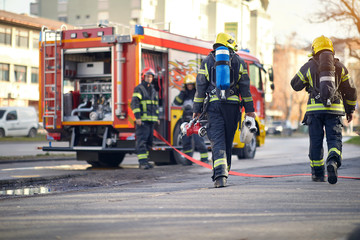
Fire Monument Colorado face numerous challenges on the job. They often work in historic structures that present unique fire risks. However, these historic buildings can be made safe for firefighters through careful planning.
UNESCO and ICOMOS guidelines emphasize the importance of respecting original techniques and materials, discouraging replacement of structural elements. In addition, technology such as fog hydrants can be used to minimise damage.
Monuments are a form of memorial
The Monument to the Firemen is a 7-foot stone monument that bears a sculpted Maltese Cross, a symbol of the fire service. It stands as a reminder of the many men and women who have sacrificed their lives in service to the public. An eternal flame blazes at the base of the monument to symbolize the spirit of all firefighters past, present and future. It was commissioned by the Firemen’s Memorial Charitable Trust and sculpted by John W. Mills. It was unveiled by Queen Elizabeth II on May 4, 1991, and is located in Riverside Park at 76th Street in New York City.
Firefighters are a vital part of the emergency response system, and their work is often dangerous and life-threatening. Every time they go out to fight a fire, they are willing to make the ultimate sacrifice for their communities. This is why it’s important to recognize them as heroes in the community. A monument is a wonderful way to do this. It can remind the community of their courage and commitment to the safety of their neighbors.
Each year, the mayor of New York joins the fire commissioner and thousands of firefighters at the Firemen’s Memorial in Riverside Park. This well-attended ceremony reaffirms the dedication of the firefighters and honors those who have died in the line of duty. A plaque engraved with the names of those who died in the previous year is placed on the wall around the statue. The monument also has a brick Walk of Honor that connects the monument site to the historic National Fallen Firefighters Memorial Chapel.
The wildland firefighting community also has a monument to its fallen members. The Wildland Firefighters Monument was erected to honor the firefighters who lost their lives fighting the 1994 South Canyon fire in Colorado. The monument is dedicated to those who “sacrificed their lives in the service of others.” It is maintained by NIFC employees and volunteers, and is visited by local residents.
A memorial to the firemen and their families is a beautiful way to pay tribute to their efforts. The memorial is a place where they can come together to remember their loved ones. In addition, the memorial can serve as a reminder to all of us that we should be grateful for our firefighters and their families.
They can be a source of inspiration
A monument to firefighters can serve as a source of inspiration for people who are concerned about fire safety. It can encourage people to learn more about the importance of fire prevention and take action to reduce their risk. The memorial also serves as a reminder of those who have lost their lives in the line of duty.
In the United States, many monuments are dedicated to firefighters who have died in the line of duty. Several of these monuments were designed by prominent architects and have become national landmarks. The Firemen’s Memorial in New York City is one such monument. It honors the thousands of firefighters who have lost their lives fighting fires. The Firemen’s Memorial was dedicated on September 5, 1913, and is one of the most impressive monuments in the city.
The Memorial is located just south of the Jack F. Wilson building. It stands 40 feet high, 6 feet deep, and 8 feet wide. It features three bronze statues of firefighters. Each of these sculptures weighs 5,000 pounds. The memorial’s landscape features grasses, shrubs and trees from the Great Basin. It also includes a waterfall, which symbolizes the importance of water to firefighters.
While some disasters are unavoidable, others can be prevented with careful planning and the use of modern technology. By pushing for better standards, and by participating in community programs, you can help to make our world a safer place.
For example, fire-protection systems should be adapted to suit the needs of each heritage site. The use of hidden fire detection and suppression systems can help preserve a historic site’s look and feel while providing the same level of protection.
The need for practical fire protection for cultural sites has shaped the development of special rules that stress that each site must have a Fire Risk Management Plan that addresses its specific challenges. These strategies incorporate lessons learned from past fire incidents. They emphasize the need to use fire-resistant materials and divide spaces in order to protect cultural sites from structural damage.
Despite being surrounded by the hectic pace of the National Interagency Fire Center, the Firefighters Monument is a quiet location that provides a sense of serenity. During a busy fire season, it is a welcome respite from the noise and stress of the workday.
They can be a source of information
Fire safety education is a crucial component of the overall firefighting mission, and one that is essential to the survival of our communities. Educational initiatives include public outreach campaigns, school programs, and workshops. Some of these activities are designed to teach individuals about fire hazards and safety practices, and some are geared towards specific audiences, such as children and older adults. By teaching the public about fire safety, we can help prevent injuries and property damage and make our cities safer places to live.
Educating the public about fire safety can also save lives by encouraging residents to take action when there is an emergency, such as a house fire. This can be accomplished by conducting fire drills in schools and promoting the importance of smoke alarms. In addition, educational outreach efforts can include training on how to properly use fire extinguishers and evacuation plans.
Many historic sites face unique challenges when it comes to fire prevention and suppression. Often, fire suppression systems are not in place, and doors may be removed or held open during restoration/construction work. The lack of these systems can lead to significant water damage, which is far worse than the loss of valuable artifacts. By adopting codes that require protection of a site’s contents, hiring expert consultants to undertake risk assessments and mitigation measures, and ensuring that safety measures are in place during restoration/construction work, it is possible to reduce the threat of future disasters.
Providing educational materials and delivering outreach programs is important for all firefighters, whether they are active or retired. This can help to ensure that they are aware of all the risks involved in their job, including exposure to hazardous materials and health issues such as cancer. The NFPA’s Firefighter Safety & Health Program provides free fire safety educational resources for firefighters and their families, as well as tools to promote safe practices in the workplace.
Monuments can serve as a reminder of the importance of fire safety, especially in the face of dangerous and deadly wildfires. They are also a tribute to the heroic efforts of those who have made the ultimate sacrifice in the fight against fire. The monument in Wallace, Idaho is a great example of this. It was dedicated on August 21, 2010, 100 years after the 1910 fires that ravaged the town. The memorial was created with contributions from the Coeur D’Alene River Ranger District, as well as other donors across the country.
They can be a source of pride
Fire is one of the greatest threats to heritage places worldwide. It causes extensive losses of building structures and their contents. Moreover, it destroys priceless artifacts and historical records that can never be replaced. It can also threaten the life and health of staff and visitors.
Historically, older buildings were often unfairly dismissed as being “firetraps” and deemed unfit for occupancy. As a result, many of these buildings were demolished in order to meet stricter safety standards. This is a tragic loss that can be avoided with better planning and care.
A monument can be a source of pride for people, especially when it commemorates the lives of firefighters who have lost their lives in the line of duty. It can inspire people to support the preservation of cultural sites and help educate the public about fire safety. It can also encourage people to volunteer and participate in fire prevention programs.
In the United States, there are numerous monuments dedicated to firefighters who have died in the line of duty. These monuments range from simple headstones to elaborate sculptural works that honor the sacrifice of these heroes. They can also serve as a reminder of the dangers that firefighters face every day.
Monuments can be a source of pride for the community, especially when they are conceived and created by members of the community. In the case of the Wildland Firefighters Memorial in Wallace, Idaho, it was funded by donations from local residents and other firefighters around the country. It is a place of remembrance for the men who died in the 1910 Great Fire, which burned much of the town.
The monument is located at the National Interagency Fire Center (NIFC) in Wallace, Idaho. It features a waterfall and a landscape of shrubs, grasses, and trees that represent the three kinds of vegetation zones in the Great Basin. Its dedication in 2010 took place exactly 100 years after the fire that destroyed the town.
Several guides for practical fire protection have been produced in recent years, including those from Historic England and the Confederation of Fire Protection Associations Europe. These guides include guidelines that emphasize separating buildings to limit the spread of fire. They also suggest that a special Fire Risk Management Plan should be developed for each site. These plans can incorporate new technologies that allow for a quicker response time.