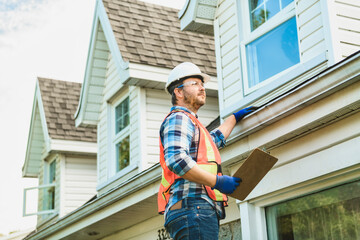
Home inspectors like clean houses. That doesn’t mean that they will overlook a problem in your house, however.
Home Inspection San Antonio is a noninvasive, visual examination of a property’s structure and major systems. It is distinct from a home appraisal, which determines market value for mortgage financing purposes.
Typically, buyers pay for home inspections, as they are intended to inform their investment decisions and prevent costly surprises after closing.
Exterior
Buying a home is a significant investment and it’s important to know the condition of your potential new house. That’s why a professional home inspection is an invaluable service, especially in NYC’s high-stakes real estate market. A home inspection is a noninvasive visual examination of a property’s systems and structures by a licensed professional. It reveals crucial details that are often overlooked during an open house or by the untrained eye. It also allows buyers to ask the seller for repairs, renegotiate the price, or even withdraw their offer altogether, provided they have an inspection contingency clause in their purchase contract.
During an inspection, the inspector will carefully review a property’s exterior. He or she will check a range of items, from the roof to the foundation and everything in between. The inspector will look for anything that isn’t functioning correctly or that is nearing the end of its suggested lifespan.
Keep in mind, however, that not all issues uncovered during an inspection are deal-breakers. Some can simply be minor repair requests, such as a leaky faucet or downed gutters. These should be relatively easy and inexpensive to fix and can shorten your to-do list after you move in.
Interior
A home inspection involves a noninvasive visual examination of a property’s structure and major systems. This includes checking the condition of the flat roof and basement foundation, as well as evaluating the electrical, plumbing, and heating/cooling systems. It also includes looking for a variety of potential issues, including mold, water damage, and infestations.
The inspection results in a comprehensive report that lists the findings of the inspector. These can range from minor cosmetic concerns to significant structural/safety problems. In a co-op or condo, the report can reveal if there are any issues that could affect other units in the building, and if repairs might be needed.
It’s important to select a qualified inspector, especially in NYC. A generic inspector might not be familiar with the unique issues of 100-year-old steam radiator systems or brownstone foundations. A knowledgeable NYC inspector can offer valuable insights and recommendations for the best course of action.
As a buyer, you don’t want to waive the home inspection contingency in your contract. This gives you the ability to request credits from the seller for repairs, negotiate a lower price, or walk away from the sale altogether if there are major problems that can’t be resolved.
Structure
A home inspector will look at the structure of the property, including the foundation and roof. The inspector will look for things that are deteriorating or nearing the end of their lifespan and flag these issues for future repair. A problem with the foundation can cause major damage to the house and pose serious safety concerns.
A buyer’s home inspection can uncover minor or major problems that could cost a significant amount to repair down the line. Despite the cost, it’s worth it to get an inspection before purchasing a home. Adding a home inspection contingency to your real estate contract gives you the right to request repairs, negotiate seller credits or even withdraw from the deal without penalty.
It’s important to note that a home inspection is different from a home appraisal. The home appraisal is used for mortgage financing and assesses the value of the property based on comparable sales and location. The home inspection focuses on the condition of the property and highlights any potential repairs or maintenance needs for a buyer.
While the average home inspection costs $340, this can vary depending on the property and area, according to Angi. As you’re choosing an inspector, consider a member of the American Society of Home Inspectors (ASHI) for added peace of mind and a more detailed report.
Appliances
As part of the inspection process, appliances such as stoves, refrigerators and dishwashers are tested. Inspectors will ensure that these appliances are working and that they have the proper connections for water, gas or electrical service. Inspectors will also check that the appliances are on the correct circuit for safety and to avoid overworking the breaker.
In addition to testing the functionality of major built-in appliances, home inspectors will also check other household items such as trash compactors and ice machines. These tests help identify potential problems that may need to be addressed before the purchase is finalized.
Almost all homes have a few issues that need to be addressed before the sale can proceed. These may include plumbing problems, such as leaky faucets or clogged drains, or the presence of mold or mildew. While it is unlikely that these issues will be deal-breakers, they may influence negotiations and/or the price of the property.
Most home inspectors own many types of equipment to make the inspection process easier and more thorough. Some of these tools, like telescoping ladders or infrared thermometers, are used because they allow an inspector to look at places that would otherwise be difficult or dangerous to reach, such as the top of a steep staircase or the ceiling of an attic. Other tools, such as flashlights or a compass, are used because they improve the accuracy of the inspector’s observations in dark or poorly lit areas.
Plumbing
Typically, buyers pay for a home inspection, which allows them to discover problems before purchasing a new house. This can be a major advantage in NYC’s ultra-competitive market, giving them the power to renegotiate the price or back out of the deal entirely if the inspector flags serious issues.
However, it’s not unusual for a buyer to be pressured by their Realtor to waive the inspection, especially if they’re in a bidding war over a particular property. While waiving a home inspection can save buyers some money, it can also leave them with a massive to-do list once they move in. Fixing leaky faucets, reattaching downspouts, and replacing water heaters are just the tip of the iceberg.
When it comes to plumbing, the home inspector will check everywhere water runs – including sinks, toilets, tubs and showers. He’ll also check the exposed pipes for signs of corrosion and moisture, as well as the hydrants outside. A quality plumbing inspection can prevent future costly repairs and save homeowners time and money. This is one of the reasons why West Mechanical recommends scheduling a professional plumbing inspection annually.
Electrical
An electrical inspection starts with a visual examination of all accessible outlets, switches and lighting fixtures. The inspector looks for signs of wear, damage, improper installations and code violations. The inspector also uses specialized equipment to test for voltage levels, current flow and resistance values. Ground fault circuit interrupters (GFCIs) and emergency lighting systems are tested as well.
Smoke and carbon monoxide detectors are inspected to ensure they are working correctly. The inspector may also check for knob and tube wiring, which can be a safety hazard if not maintained properly.
A home inspection is an important part of the home-buying process. It is unlikely that an entire house will come up clean, but if major issues are uncovered, the buyers can use them to request repairs from the seller, adjust the purchase price or even back out of the deal. It’s worth hiring a licensed professional to conduct the inspection, like Sagan Electric, to be confident that the buyer is receiving a comprehensive report. The more the home inspector can see, the better the final report will be. Having a pre-war Brooklyn brownstone or Manhattan co-op with skyline views is great, but it’s more important to know that the place you’re investing in is sound.
Heating and Air Conditioning
The inspector will evaluate the heating system for safety, proper operation, and general condition. They’ll look for leaks, clogs, and damage to the unit and its components. They’ll also check the air conditioning for efficiency and safety, including checking the ductwork. A home inspector may also test the water pressure to ensure it’s adequate. If the house has a basement or crawl space, they may inspect the foundation too.
If the inspector discovers a problem, they’ll write it up in their report. They’ll likely list it in the “Observations” section, and include details like the issue, what caused it, and any recommended remedies. It’s best for home sellers to be proactive about their own inspections so they can correct problems before they become deal-breakers.
Many real estate agents will recommend home inspectors they trust, and most of them have relationships with the inspectors and can arrange appointments. If you’re buying a home, consider asking the inspector to allow you to tag along during the inspection. It’s a great way to see the inspection in action, and you can ask questions as you go. If the inspector says they don’t mind, you’ll have an opportunity to learn about your future home from a local expert.