Enchanting Nights with Christmas Light Installation

The glow of lights has always been tied to the joy of celebration.

Christmas light installation has evolved from a simple tradition into a creative expression of wonder. It no longer revolves only around stringing bulbs across rooftops. It now includes imaginative displays, synchronized effects, and artistic arrangements that bring magic to life.
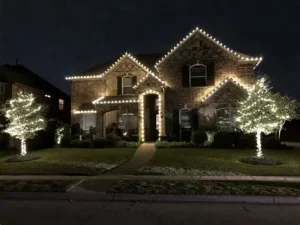
Christmas Light Installation

One of the biggest shifts is the rise of energy-efficient designs. Modern installations focus on sustainability without losing brilliance. This allows people to enjoy festive displays while being mindful of long-term impact.

Another trend is personalization. Installations today often reflect the personality of the household or business behind them. Colors, patterns, and layouts are chosen not just for beauty but to tell a unique story.

Technology plays a huge role in creating these experiences. Programmable systems allow users to set light patterns that dance to music. Smart controls also make it possible to manage entire displays with a single device.

The artistry behind light installation is growing. Professionals experiment with shapes, textures, and layering to create depth and atmosphere. Lights are no longer just decorations but tools of design that transform spaces.

Safety remains a vital part of the process. Proper installation ensures wires are secure, weatherproof, and out of harm’s way. A safe display lets everyone enjoy the beauty without risk.

The emotional impact of lights should not be underestimated. They evoke nostalgia, warmth, and a sense of belonging. For many, a glowing display becomes a centerpiece of shared memories.

Businesses also recognize the value of festive lights. Beyond decoration, they serve as invitations, drawing people closer. A well-designed display creates a welcoming atmosphere that strengthens community bonds.

Outdoor displays now often stretch beyond simple rooftops and trees. Gardens, fences, and walkways become canvases for light. Even subtle touches can change the overall mood of a space.

Indoor installations bring a different charm. Twinkling lights wrapped around staircases or windows create cozy environments. They make interiors feel more alive and festive during the season.

Creativity flourishes when light is treated as art. Some designs include cascading waterfalls of light, while others mimic the night sky. Each display carries a sense of wonder unique to the creator.

The timing of installation also matters. Starting early ensures ample time for testing, safety checks, and adjustments. This preparation leads to displays that shine brightly throughout the season.

Weather challenges can affect installation, but planning helps. Choosing durable materials and weather-resistant fixtures ensures displays last longer. This way, the beauty endures even under unpredictable conditions.

Community installations add another layer of meaning. When entire neighborhoods participate, streets transform into glowing paths of celebration. These shared efforts strengthen bonds and bring people together.

Light installations also inspire new traditions. Families may gather each year to plan and design displays. This process creates moments of creativity and togetherness beyond the final result.

The artistry has even extended into interactive experiences. Some displays respond to motion, sound, or touch. This adds playfulness and makes the celebration more engaging.

Colors play an important symbolic role. Warm tones often represent comfort and tradition, while cooler shades bring elegance and calmness. The choice of color sets the mood of the entire display.

Minimalist designs are gaining popularity. Instead of covering every surface, some installations focus on key highlights. These understated displays often create powerful visual impact through simplicity.

Grand displays, however, still hold their charm. Massive arrangements with thousands of lights dazzle audiences. They remind people of the scale and grandeur possible during festive celebrations.

Indoor and outdoor balance matters too. A combination of glowing interiors and radiant exteriors creates harmony. Visitors are welcomed both inside and out with equal warmth.

The art of installation requires patience. Planning, arranging, and testing take time but reward effort with brilliance. Each adjustment contributes to a perfect final display.

Light installations also reflect innovation in design trends. Some displays experiment with geometric patterns, while others create natural shapes. This creative freedom makes every project feel fresh.

The psychology of light is worth noting. Bright displays uplift spirits during darker months. They symbolize hope, joy, and the anticipation of better days ahead.

For children, the experience is unforgettable. Seeing glowing figures, sparkling trees, and dancing lights becomes part of holiday magic. These impressions stay with them long after the season ends.

Adults too find comfort in the glow. After long days, lights bring relaxation and peace. They transform ordinary nights into extraordinary ones filled with calm and cheer.

Environmental awareness continues shaping choices. Many installations now use eco-friendly materials and energy-saving technology. This aligns joy with responsibility for the planet.

The economic aspect also cannot be ignored. Seasonal light displays generate income for installers, suppliers, and designers. They create opportunities while spreading beauty.

Photography has added a modern layer to the tradition. People capture and share their glowing displays with friends and family. This extends the celebration into digital spaces.

The act of installation itself is rewarding. From unboxing the lights to stepping back at the final glow, it feels like a journey. Each step builds anticipation until the masterpiece is revealed.

Over the years, Christmas light installation has become more than decoration. It is a craft, a passion, and a shared cultural expression. Its value lies in the joy it brings to everyone who witnesses it.

As technology, creativity, and sustainability continue to evolve, so will the art of festive lights. The future promises displays that are brighter, smarter, and even more meaningful. In every twinkle lies the reminder of connection, wonder, and celebration.


What Does a Home Inspector Look At During an Inspection?

Home Inspection San Antonio

Home inspectors like clean houses. That doesn’t mean that they will overlook a problem in your house, however.

Home Inspection San Antonio is a noninvasive, visual examination of a property’s structure and major systems. It is distinct from a home appraisal, which determines market value for mortgage financing purposes.

Typically, buyers pay for home inspections, as they are intended to inform their investment decisions and prevent costly surprises after closing.

Exterior

Buying a home is a significant investment and it’s important to know the condition of your potential new house. That’s why a professional home inspection is an invaluable service, especially in NYC’s high-stakes real estate market. A home inspection is a noninvasive visual examination of a property’s systems and structures by a licensed professional. It reveals crucial details that are often overlooked during an open house or by the untrained eye. It also allows buyers to ask the seller for repairs, renegotiate the price, or even withdraw their offer altogether, provided they have an inspection contingency clause in their purchase contract.

During an inspection, the inspector will carefully review a property’s exterior. He or she will check a range of items, from the roof to the foundation and everything in between. The inspector will look for anything that isn’t functioning correctly or that is nearing the end of its suggested lifespan.

Keep in mind, however, that not all issues uncovered during an inspection are deal-breakers. Some can simply be minor repair requests, such as a leaky faucet or downed gutters. These should be relatively easy and inexpensive to fix and can shorten your to-do list after you move in.

Interior

A home inspection involves a noninvasive visual examination of a property’s structure and major systems. This includes checking the condition of the flat roof and basement foundation, as well as evaluating the electrical, plumbing, and heating/cooling systems. It also includes looking for a variety of potential issues, including mold, water damage, and infestations.

The inspection results in a comprehensive report that lists the findings of the inspector. These can range from minor cosmetic concerns to significant structural/safety problems. In a co-op or condo, the report can reveal if there are any issues that could affect other units in the building, and if repairs might be needed.

It’s important to select a qualified inspector, especially in NYC. A generic inspector might not be familiar with the unique issues of 100-year-old steam radiator systems or brownstone foundations. A knowledgeable NYC inspector can offer valuable insights and recommendations for the best course of action.

As a buyer, you don’t want to waive the home inspection contingency in your contract. This gives you the ability to request credits from the seller for repairs, negotiate a lower price, or walk away from the sale altogether if there are major problems that can’t be resolved.

Structure

A home inspector will look at the structure of the property, including the foundation and roof. The inspector will look for things that are deteriorating or nearing the end of their lifespan and flag these issues for future repair. A problem with the foundation can cause major damage to the house and pose serious safety concerns.

A buyer’s home inspection can uncover minor or major problems that could cost a significant amount to repair down the line. Despite the cost, it’s worth it to get an inspection before purchasing a home. Adding a home inspection contingency to your real estate contract gives you the right to request repairs, negotiate seller credits or even withdraw from the deal without penalty.

It’s important to note that a home inspection is different from a home appraisal. The home appraisal is used for mortgage financing and assesses the value of the property based on comparable sales and location. The home inspection focuses on the condition of the property and highlights any potential repairs or maintenance needs for a buyer.

While the average home inspection costs $340, this can vary depending on the property and area, according to Angi. As you’re choosing an inspector, consider a member of the American Society of Home Inspectors (ASHI) for added peace of mind and a more detailed report.

Appliances

As part of the inspection process, appliances such as stoves, refrigerators and dishwashers are tested. Inspectors will ensure that these appliances are working and that they have the proper connections for water, gas or electrical service. Inspectors will also check that the appliances are on the correct circuit for safety and to avoid overworking the breaker.

In addition to testing the functionality of major built-in appliances, home inspectors will also check other household items such as trash compactors and ice machines. These tests help identify potential problems that may need to be addressed before the purchase is finalized.

Almost all homes have a few issues that need to be addressed before the sale can proceed. These may include plumbing problems, such as leaky faucets or clogged drains, or the presence of mold or mildew. While it is unlikely that these issues will be deal-breakers, they may influence negotiations and/or the price of the property.

Most home inspectors own many types of equipment to make the inspection process easier and more thorough. Some of these tools, like telescoping ladders or infrared thermometers, are used because they allow an inspector to look at places that would otherwise be difficult or dangerous to reach, such as the top of a steep staircase or the ceiling of an attic. Other tools, such as flashlights or a compass, are used because they improve the accuracy of the inspector’s observations in dark or poorly lit areas.

Plumbing

Typically, buyers pay for a home inspection, which allows them to discover problems before purchasing a new house. This can be a major advantage in NYC’s ultra-competitive market, giving them the power to renegotiate the price or back out of the deal entirely if the inspector flags serious issues.

However, it’s not unusual for a buyer to be pressured by their Realtor to waive the inspection, especially if they’re in a bidding war over a particular property. While waiving a home inspection can save buyers some money, it can also leave them with a massive to-do list once they move in. Fixing leaky faucets, reattaching downspouts, and replacing water heaters are just the tip of the iceberg.

When it comes to plumbing, the home inspector will check everywhere water runs – including sinks, toilets, tubs and showers. He’ll also check the exposed pipes for signs of corrosion and moisture, as well as the hydrants outside. A quality plumbing inspection can prevent future costly repairs and save homeowners time and money. This is one of the reasons why West Mechanical recommends scheduling a professional plumbing inspection annually.

Electrical

An electrical inspection starts with a visual examination of all accessible outlets, switches and lighting fixtures. The inspector looks for signs of wear, damage, improper installations and code violations. The inspector also uses specialized equipment to test for voltage levels, current flow and resistance values. Ground fault circuit interrupters (GFCIs) and emergency lighting systems are tested as well.

Smoke and carbon monoxide detectors are inspected to ensure they are working correctly. The inspector may also check for knob and tube wiring, which can be a safety hazard if not maintained properly.

A home inspection is an important part of the home-buying process. It is unlikely that an entire house will come up clean, but if major issues are uncovered, the buyers can use them to request repairs from the seller, adjust the purchase price or even back out of the deal. It’s worth hiring a licensed professional to conduct the inspection, like Sagan Electric, to be confident that the buyer is receiving a comprehensive report. The more the home inspector can see, the better the final report will be. Having a pre-war Brooklyn brownstone or Manhattan co-op with skyline views is great, but it’s more important to know that the place you’re investing in is sound.

Heating and Air Conditioning

The inspector will evaluate the heating system for safety, proper operation, and general condition. They’ll look for leaks, clogs, and damage to the unit and its components. They’ll also check the air conditioning for efficiency and safety, including checking the ductwork. A home inspector may also test the water pressure to ensure it’s adequate. If the house has a basement or crawl space, they may inspect the foundation too.

If the inspector discovers a problem, they’ll write it up in their report. They’ll likely list it in the “Observations” section, and include details like the issue, what caused it, and any recommended remedies. It’s best for home sellers to be proactive about their own inspections so they can correct problems before they become deal-breakers.

Many real estate agents will recommend home inspectors they trust, and most of them have relationships with the inspectors and can arrange appointments. If you’re buying a home, consider asking the inspector to allow you to tag along during the inspection. It’s a great way to see the inspection in action, and you can ask questions as you go. If the inspector says they don’t mind, you’ll have an opportunity to learn about your future home from a local expert.

The Role of Fire Monuments in Educating the Public About Fire Safety

Fire Monument face numerous challenges on the job. They often work in historic structures that present unique fire risks. However, these historic buildings can be made safe for firefighters through careful planning.

UNESCO and ICOMOS guidelines emphasize the importance of respecting original techniques and materials, discouraging replacement of structural elements. In addition, technology such as fog hydrants can be used to minimise damage.

Monuments are a form of memorial

The Monument to the Firemen is a 7-foot stone monument that bears a sculpted Maltese Cross, a symbol of the fire service. It stands as a reminder of the many men and women who have sacrificed their lives in service to the public. An eternal flame blazes at the base of the monument to symbolize the spirit of all firefighters past, present and future. It was commissioned by the Firemen’s Memorial Charitable Trust and sculpted by John W. Mills. It was unveiled by Queen Elizabeth II on May 4, 1991, and is located in Riverside Park at 76th Street in New York City.

Firefighters are a vital part of the emergency response system, and their work is often dangerous and life-threatening. Every time they go out to fight a fire, they are willing to make the ultimate sacrifice for their communities. This is why it’s important to recognize them as heroes in the community. A monument is a wonderful way to do this. It can remind the community of their courage and commitment to the safety of their neighbors.

Each year, the mayor of New York joins the fire commissioner and thousands of firefighters at the Firemen’s Memorial in Riverside Park. This well-attended ceremony reaffirms the dedication of the firefighters and honors those who have died in the line of duty. A plaque engraved with the names of those who died in the previous year is placed on the wall around the statue. The monument also has a brick Walk of Honor that connects the monument site to the historic National Fallen Firefighters Memorial Chapel.

The wildland firefighting community also has a monument to its fallen members. The Wildland Firefighters Monument was erected to honor the firefighters who lost their lives fighting the 1994 South Canyon fire in Colorado. The monument is dedicated to those who “sacrificed their lives in the service of others.” It is maintained by NIFC employees and volunteers, and is visited by local residents.

A memorial to the firemen and their families is a beautiful way to pay tribute to their efforts. The memorial is a place where they can come together to remember their loved ones. In addition, the memorial can serve as a reminder to all of us that we should be grateful for our firefighters and their families.

They can be a source of inspiration

A monument to firefighters can serve as a source of inspiration for people who are concerned about fire safety. It can encourage people to learn more about the importance of fire prevention and take action to reduce their risk. The memorial also serves as a reminder of those who have lost their lives in the line of duty.

In the United States, many monuments are dedicated to firefighters who have died in the line of duty. Several of these monuments were designed by prominent architects and have become national landmarks. The Firemen’s Memorial in New York City is one such monument. It honors the thousands of firefighters who have lost their lives fighting fires. The Firemen’s Memorial was dedicated on September 5, 1913, and is one of the most impressive monuments in the city.

The Memorial is located just south of the Jack F. Wilson building. It stands 40 feet high, 6 feet deep, and 8 feet wide. It features three bronze statues of firefighters. Each of these sculptures weighs 5,000 pounds. The memorial’s landscape features grasses, shrubs and trees from the Great Basin. It also includes a waterfall, which symbolizes the importance of water to firefighters.

While some disasters are unavoidable, others can be prevented with careful planning and the use of modern technology. By pushing for better standards, and by participating in community programs, you can help to make our world a safer place.

For example, fire-protection systems should be adapted to suit the needs of each heritage site. The use of hidden fire detection and suppression systems can help preserve a historic site’s look and feel while providing the same level of protection.

The need for practical fire protection for cultural sites has shaped the development of special rules that stress that each site must have a Fire Risk Management Plan that addresses its specific challenges. These strategies incorporate lessons learned from past fire incidents. They emphasize the need to use fire-resistant materials and divide spaces in order to protect cultural sites from structural damage.

Despite being surrounded by the hectic pace of the National Interagency Fire Center, the Firefighters Monument is a quiet location that provides a sense of serenity. During a busy fire season, it is a welcome respite from the noise and stress of the workday.

They can be a source of information

Fire safety education is a crucial component of the overall firefighting mission, and one that is essential to the survival of our communities. Educational initiatives include public outreach campaigns, school programs, and workshops. Some of these activities are designed to teach individuals about fire hazards and safety practices, and some are geared towards specific audiences, such as children and older adults. By teaching the public about fire safety, we can help prevent injuries and property damage and make our cities safer places to live.

Educating the public about fire safety can also save lives by encouraging residents to take action when there is an emergency, such as a house fire. This can be accomplished by conducting fire drills in schools and promoting the importance of smoke alarms. In addition, educational outreach efforts can include training on how to properly use fire extinguishers and evacuation plans.

Many historic sites face unique challenges when it comes to fire prevention and suppression. Often, fire suppression systems are not in place, and doors may be removed or held open during restoration/construction work. The lack of these systems can lead to significant water damage, which is far worse than the loss of valuable artifacts. By adopting codes that require protection of a site’s contents, hiring expert consultants to undertake risk assessments and mitigation measures, and ensuring that safety measures are in place during restoration/construction work, it is possible to reduce the threat of future disasters.

Providing educational materials and delivering outreach programs is important for all firefighters, whether they are active or retired. This can help to ensure that they are aware of all the risks involved in their job, including exposure to hazardous materials and health issues such as cancer. The NFPA’s Firefighter Safety & Health Program provides free fire safety educational resources for firefighters and their families, as well as tools to promote safe practices in the workplace.

Monuments can serve as a reminder of the importance of fire safety, especially in the face of dangerous and deadly wildfires. They are also a tribute to the heroic efforts of those who have made the ultimate sacrifice in the fight against fire. The monument in Wallace, Idaho is a great example of this. It was dedicated on August 21, 2010, 100 years after the 1910 fires that ravaged the town. The memorial was created with contributions from the Coeur D’Alene River Ranger District, as well as other donors across the country.

They can be a source of pride

Fire is one of the greatest threats to heritage places worldwide. It causes extensive losses of building structures and their contents. Moreover, it destroys priceless artifacts and historical records that can never be replaced. It can also threaten the life and health of staff and visitors.

Historically, older buildings were often unfairly dismissed as being “firetraps” and deemed unfit for occupancy. As a result, many of these buildings were demolished in order to meet stricter safety standards. This is a tragic loss that can be avoided with better planning and care.

A monument can be a source of pride for people, especially when it commemorates the lives of firefighters who have lost their lives in the line of duty. It can inspire people to support the preservation of cultural sites and help educate the public about fire safety. It can also encourage people to volunteer and participate in fire prevention programs.

In the United States, there are numerous monuments dedicated to firefighters who have died in the line of duty. These monuments range from simple headstones to elaborate sculptural works that honor the sacrifice of these heroes. They can also serve as a reminder of the dangers that firefighters face every day.

Monuments can be a source of pride for the community, especially when they are conceived and created by members of the community. In the case of the Wildland Firefighters Memorial in Wallace, Idaho, it was funded by donations from local residents and other firefighters around the country. It is a place of remembrance for the men who died in the 1910 Great Fire, which burned much of the town.

The monument is located at the National Interagency Fire Center (NIFC) in Wallace, Idaho. It features a waterfall and a landscape of shrubs, grasses, and trees that represent the three kinds of vegetation zones in the Great Basin. Its dedication in 2010 took place exactly 100 years after the fire that destroyed the town.

Several guides for practical fire protection have been produced in recent years, including those from Historic England and the Confederation of Fire Protection Associations Europe. These guides include guidelines that emphasize separating buildings to limit the spread of fire. They also suggest that a special Fire Risk Management Plan should be developed for each site. These plans can incorporate new technologies that allow for a quicker response time.