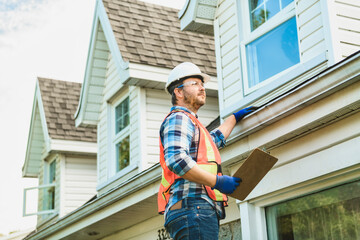
Reliable Home Inspection Services for Safe and Well-Maintained Properties

When it comes to buying, selling, or maintaining a property, ensuring its safety and overall condition is one of the most important steps. Reliable home inspection services provide property owners, buyers, and investors with peace of mind by assessing the structural integrity, safety, and functionality of a home. These inspections go beyond surface appearances, offering detailed insights into potential problems and helping people make informed decisions. Whether preparing to purchase a new property, sell an existing one, or maintain a home’s long-term value, home inspections play a critical role in safeguarding investments and ensuring safety.

home inspection

The Importance of Home Inspections

A home is more than just a place to live; it represents financial stability and personal security. However, unseen issues can compromise both its safety and value. A reliable home inspection provides a comprehensive evaluation of the property, ensuring that potential concerns are identified early. From detecting structural damage to assessing electrical systems and plumbing, inspections help avoid costly surprises down the line.

For buyers, this process ensures transparency, allowing them to negotiate or budget for necessary repairs. Sellers benefit as well, since addressing issues before listing can increase a property’s market value and attract more confident buyers. Homeowners who are not actively buying or selling also gain peace of mind by scheduling regular inspections to maintain their property in optimal condition.

Areas Covered in a Home Inspection

Reliable home inspection services are thorough and cover a wide range of areas within and outside the property. Some of the most common aspects include:

  1. Structural Integrity – Inspectors evaluate the foundation, walls, floors, ceilings, and roof to identify cracks, leaks, or other signs of instability.
  2. Roof and Exterior – The condition of the roof, gutters, siding, and drainage systems is examined to ensure they are functioning properly and protecting the home.
  3. Electrical Systems – Inspectors check wiring, outlets, and panels to ensure safety and compliance with standards, reducing risks of electrical hazards.
  4. Plumbing Systems – Leaks, water pressure, and drainage issues are identified to prevent water damage or costly repairs.
  5. Heating, Ventilation, and Air Conditioning (HVAC) – These systems are inspected for efficiency and reliability, which is essential for comfort and energy savings.
  6. Interior Features – Windows, doors, insulation, and ventilation are assessed for both safety and energy efficiency.
  7. Safety Hazards – Inspectors look for potential risks, such as mold, asbestos, or faulty smoke detectors, that could impact health and safety.

By covering these areas, inspections provide a detailed overview of a property’s current condition and highlight areas that may require immediate attention or future maintenance.

Benefits of Reliable Home Inspection Services

The benefits of home inspections extend beyond simple identification of problems. They offer significant advantages that help homeowners, buyers, and sellers alike.

  1. Informed Decision-Making
  2. Buyers gain valuable insights into the property’s condition, ensuring they make informed investments. Sellers understand what needs improvement before listing, which can help avoid last-minute surprises during negotiations.
  3. Financial Savings
  4. Identifying small issues early prevents them from becoming major, costly repairs. Regular inspections can save property owners significant amounts of money over time.
  5. Increased Property Value
  6. A well-maintained home with no hidden problems often commands a higher market value, attracting serious buyers willing to pay more.
  7. Enhanced Safety
  8. By spotting hazards like faulty wiring, carbon monoxide risks, or mold growth, inspections ensure that residents live in a secure environment.
  9. Peace of Mind
  10. Perhaps the most valuable benefit is the confidence that comes from knowing a property is safe, well-maintained, and ready for future use or sale.

When to Schedule a Home Inspection

The timing of a home inspection can significantly affect its usefulness. Common situations include:

  • Before Purchasing a Home – Buyers should always schedule an inspection before closing on a property.
  • Before Selling a Home – Sellers benefit from inspections by identifying and fixing issues that could delay or lower the sale price.
  • Routine Maintenance – Homeowners can schedule periodic inspections, even if they are not buying or selling, to maintain the property’s long-term safety and value.
  • After Major Renovations or Natural Events, Inspections help ensure that new work was done correctly or that no hidden damage occurred after storms, earthquakes, or floods.

Choosing Reliable Inspection Services

To ensure accuracy and trustworthiness, it is important to choose inspection services that are thorough, professional, and experienced. Key factors to consider include:

  • Comprehensive Reporting – Detailed, easy-to-understand reports with photos and explanations are essential.
  • Experience and Knowledge – Inspectors with strong expertise can identify both obvious and hidden issues.
  • Clear Communication – Professionals should explain findings in a way that is understandable and actionable.
  • Attention to Detail – Reliable inspections leave no area unchecked, ensuring a complete overview of the property.

By selecting a service that prioritizes accuracy and thoroughness, property owners can be confident in the quality of the inspection.

Maintaining Safe and Well-Maintained Properties

Reliable home inspections are not a one-time requirement but an ongoing part of responsible homeownership. Scheduling inspections regularly ensures that potential issues are addressed before they escalate, keeping the property safe and comfortable for years to come.

For buyers, inspections help ensure they are investing in a sound property. Sellers gain an advantage by presenting a well-maintained home to the market. Current homeowners benefit by maintaining safety, reducing repair costs, and preserving property value.

A home is one of the most significant investments a person can make, and protecting that investment requires careful attention to safety and maintenance. Reliable home inspection services provide the insights necessary to identify problems early, enhance property value, and safeguard the well-being of residents. Whether buying, selling, or simply maintaining a property, inspections are an essential step in ensuring that homes remain safe, secure, and well-maintained.


The Importance of Septic Tank Pumping

Solid waste from household drains travels anaerobically to the septic tank where bacteria further break down the material. The resulting sludge eventually fills the tank and must be removed regularly to avoid costly sewage backups.

Septic

A professional septic cleaning service is an essential part of responsible homeownership. They can help you schedule pumping services as needed to keep your septic system functioning how it should. Contact Septic Tank Pumping Madera for professional help.

Your septic tank is a hardworking, underground hero that manages your home’s waste day in and day out. But, like any other system, your septic tank needs to be properly cared for in order to function correctly and avoid expensive repairs. One of the most important tasks in septic tank maintenance is regular pumping. By removing the solid waste and harmful elements that build up inside your tank, pumping keeps your drains working their best and prevents environmental contamination.

While general guidelines suggest septic tank pumping every 1-3 years, this isn’t a one-size-fits-all solution. The size of your septic tank and household usage patterns play a significant role in how often you’ll need to get it pumped. For example, large families and heavy water usage typically require more frequent septic tank pumping.

Keeping up with your regular pumping schedule can help you avoid costly repairs and extend the life of your septic tank. But, if you are overdue for a septic tank pumping, there are several signs to look out for that can help you determine when it’s time to call in the professionals.

Slow Drains: If you notice that your sinks and toilets are taking longer than usual to drain, it’s likely that your septic tank is overdue for a pumping. Gurgling Pipes: If you hear a bubbling soundtrack coming from your plumbing, it’s a sign that your septic tank is overflowing. Odors: If you begin to notice odd smells from your toilets or in the yard, it’s likely that your septic system is overflowing and needs to be pumped.

Lush Grass: If you notice that the grass is a little too green around your septic tank and drain field, it’s likely time to get your septic system pumped.

While it’s true that septic tank pumping isn’t the most exciting homeowner maintenance task, it is essential for the long-term health of your septic system. Don’t let the initial cost of septic tank pumping deter you from this preventative maintenance. The investment will be worth it when you’re able to avoid expensive repairs and enjoy the peace of mind that comes with a well-maintained septic tank system.

Prevent Environmental Contamination

Septic tanks that aren’t pumped regularly can cause wastewater to back up into the home or building. This waste can also seep into the groundwater and surface water, contaminating soil and causing harm to plant life and posing health risks for humans. Having the tank pumped regularly prevents these issues and helps to keep the surrounding environment clean and healthy.

Solids from kitchen sinks, toilets, showers, washing machines and garbage disposals build up in the septic system over time. This is normal, but if not addressed quickly, the system can become overwhelmed and clogged. Regular septic tank pumping removes the accumulated solid waste and keeps the anaerobic process from becoming overloaded. This helps prevent the septic system from backing up, which reduces the amount of sewage that gets into the house and yard.

The more solids that are left behind in the septic tank, the less efficiently it processes incoming wastewater and sewage. When this happens, the septic system can become flooded and backed up, which causes drains to slow down or stop working altogether. This is a huge inconvenience and can be costly to repair. Getting the tank pumped regularly keeps the system working properly and prevents problems with drain lines.

Keeping the septic tank properly maintained is a great way to protect your investment and increase the value of your property. Potential buyers are more likely to purchase a home that has a history of proper septic tank maintenance.

If you’re ready to schedule your septic tank pumping, give us a call. We will take into account the size of your septic tank, how many people live in the home and their water usage habits to determine how often it should be pumped. We can also help you find the septic tank access point or manhole if it’s difficult to locate. It’s a good idea to keep it clear of trees, shrubs or other items that could cover the access port. If the septic tank is buried below ground level, we can install a riser to make it easier to access.

Extend the Life of Your Septic System

A septic system helps homeowners avoid sewage overflows, save on costly repairs, and ensure the health and safety of family members and guests. It also promotes groundwater recharge and reduces strain on municipal infrastructure. However, it can only do so if the tank and drain field remain free from clogs and excessive solid waste accumulation. Routine septic tank pumping removes sludge and scum layers that could otherwise overflow into the drain field, causing blockages and premature system failure.

While septic systems provide a number of significant benefits for homeowners, they don’t come without their fair share of drawbacks. Without routine cleanings and pumping services, the drain fields are susceptible to overflows of raw sewage and untreated wastewater that can pollute local water resources and cause illness in humans. This is why it’s important to take proactive measures to protect your septic system by scheduling regular maintenance and ensuring that it receives proper care.

Blocked septic systems are messy, expensive, and pose a serious health risk. When sewage overflows into the home, it can spread disease, contaminate drinking water, and damage your plumbing and appliances. In addition, a septic system that becomes overloaded with sludge and scum can overflow into the drain field, which will not only lead to costly repairs but also leave behind unpleasant odors.

As a general rule, it’s recommended to schedule cleaning and pumping services every three to five years. However, the exact frequency will depend on a variety of factors, including household size and water usage patterns. Heavy-usage homes may need to have their septic tanks cleaned and pumped more frequently.

By keeping your septic system in good condition through routine inspection and pumping, you can extend its lifespan and prevent the need for costly repairs. This can significantly increase the resale value of your property and ensure that your family is safe and healthy at home.

Avoid Unnecessary Repairs

When solid waste builds up in the septic tank, the capacity of the system decreases. This leads to clogs, backups, and other issues that require expensive repairs. Professional septic tank pumping restores the system to full functionality, avoiding costly repair needs and extending the lifespan of the entire septic system.

While septic tanks are designed to hold wastewater, it’s inevitable that solid waste will build up over time. These materials accumulate into sludge and scum layers in the tank, which reduces the system’s effectiveness at treating wastewater. This is why it’s critical to maintain a regular septic tank pumping schedule.

Septic tank pumping removes these layers, restoring the tank’s ability to accommodate wastewater effectively. The process also helps to avoid environmental contamination and health hazards that result from untreated sewage leaking into the surrounding environment.

If you notice a slow draining of sinks or toilets, it’s important to contact a septic service company. This sluggishness often indicates that the tank is close to its maximum capacity and can’t efficiently treat more wastewater. If left untreated, the problem could worsen and lead to a septic system emergency.

Consistent maintenance prevents these issues, reducing long-term expenses and minimizing potential disruption to household operations. Hiring a professional septic tank pumping service transforms the cost of upkeep into an investment that protects more significant investments, such as property value and peace of mind.

Professional septic system cleaning and septic tank pumping are similar processes, but they have different scopes of work that affect the timeline needed for complete maintenance. For example, septic system cleaning relies on specialized truck-mounted agitation nozzles that dislodge and extract solid waste from the interior of the tank. Septic tank pumping, on the other hand, involves bringing far larger vacuum pump trucks to the property and using their heavy-duty hoses to evacuate all liquid effluent and solid sludge waste from every component of the septic system.

As the system is pumped, the septic service technician conducts a thorough inspection to assess the septic tank and septic system’s overall condition. These inspections allow the technicians to spot any potential problems that may require repair before they become an emergency. A septic system that fails to function properly threatens family health and safety, imposes an environmental hazard, and reduces property value. Consistent maintenance keeps your septic system functioning properly, minimizing the risk of unexpected failure and allowing you to enjoy all that your home has to offer.

When to Call a Professional for Electrical Repairs

Electrical Repairs

There are some DIY electrical projects you should leave to licensed professionals. Flickering lights, burning smells, buzzing sounds from outlets, or frayed wires should all prompt you to call for help.

These warning signs hint at serious wiring issues or circuits struggling to keep up with demand. Addressing them promptly reduces the risk of fires and other damage. Contact Nash Electric LLC to learn more.

Circuit breakers keep tripping

There are a few different reasons why your circuit breaker keeps tripping. It could be due to an overload, a short circuit, or a ground fault. Each of these problems can cause significant electrical issues and safety risks, so it’s important to get them fixed quickly.

Breakers are designed to shut off power when a circuit is overloaded, but it shouldn’t happen regularly. If you’re noticing frequent breaker trips, it’s a sign that there are underlying issues that need to be addressed. These issues, if left unaddressed, can lead to overheating, fire risk, and damage to your electrical system.

Overloading a circuit happens when too many appliances and devices are connected to the same power source. This can overwork the wiring and lead to a dangerous voltage surge that causes your breaker to trip. Try to reduce the number of appliances and devices on a particular circuit, or shift heavier appliances to another general-purpose circuit. If you can’t figure out what is causing the overload, consult a professional to make sure your wiring is safe and properly connected.

A short circuit is caused when active wires come into contact with each other or a neutral wire. This can also occur in outlets when a loose or damaged outlet cover allows hot and neutral wires to touch. A short circuit can lead to overheating and fires, so it’s a serious problem that requires immediate attention.

If your breaker trips while you’re working on an electrical project, turn off the power at the breaker box and use a tester to test each wire for voltage. If you can’t find what is causing the problem, it’s best to call in a professional electrician right away.

Outlets or switches feel warm to the touch

Your outlets are wired to provide grounded power for the appliances, lightbulbs and other devices you use in your home. If an outlet feels warm to the touch, it could be a sign of a dangerous electrical problem.

A slight warmth is normal for most outlets, but if an outlet feels hot or even burning when plugged in, it should be immediately replaced with a new one. This is usually a sign of circuit overload or loose wiring that’s generating heat. Left unaddressed, this heat can melt insulation and start a fire behind the outlet or in the wall.

Before you try to fix a warm outlet or switch yourself, turn off the power at your breaker box using a voltage tester and make sure to wear insulated gloves. Next, carefully assess other outlets on the same circuit to see if they are also warm or hot. If so, call a professional electrician to safely assess your wiring, circuit breakers and panels for problems.

Licensed electricians can diagnose and repair a wide range of issues, from faulty outlets to blown fuses. They can also ensure that your house’s wiring is up to code, which lowers the risk of electrical faults and other hazards.

Trying to tackle electrical issues without a licensed electrician can be hazardous and lead to costly repairs. However, there are some warning signs that indicate you need to seek professional help. These include frequent circuit breaker trips, buzzing noises from outlets and burning smells near outlets or switches. Addressing these issues quickly can reduce the risk of fires and other damage to your home. If you have any of these warning signs, contact a licensed electrician for immediate assistance.

Electrical shocks or tingling

Electric shocks or tingling are not normal and should be treated as a serious warning sign. They could mean there is a problem with the wiring, switchboard or power lines and it’s important to contact your electricity distributor as soon as possible.

If someone you know or love is experiencing an electrical shock, don’t touch them directly unless you can break the circuit with something nonconductive (like wood or plastic). It’s also important to call 911 and make sure that the person has been disconnected from the current by your local electricity company. Depending on how badly they’ve been shocked, they may need immediate medical attention, or their nerves may have been damaged and cause long-term health complications.

Children are prone to electrical shock from household appliances and extension cords. They can be severely injured, especially if they bite the cord in their mouth or get caught on the cord as it’s being pulled from a wall outlet or light socket. This is why it’s so important to always supervise them when using electrical devices and to check that the safety switches are working correctly.

Tingling sensations can also indicate that a nerve is being irritated or compressed. This is usually the case with carpal tunnel syndrome, but it can also be caused by other conditions like fibromyalgia or even certain cancer treatments, which can interfere with how nerves communicate with the brain. These sensations can range from mild and fleeting to severe, stabbing pain that radiates into the rest of the body. Treatment will vary, but will usually involve pain relief medication and physiotherapy to help the muscles recover. This will also help reduce the risk of future tingling or shocks.

Unusual sounds

Unusual sounds can be annoying, but they’re often warning signs of serious problems. If you hear a buzzing, humming or other noise that doesn’t go away, you should get professional electrical repairs right away. It could mean that wires aren’t properly connected, and this can be dangerous for you and your family.

If your circuit breakers keep tripping, it might be an indicator that your home’s wiring isn’t up to code or can’t handle the load. This could mean that you need to add more outlets or upgrade your electrical panel, or it might be a sign that you need to spread your energy use out across different circuits in the house.

Frequent surges can damage electronics and appliances over time. If they’re caused by something outside your home, like a power outage or a lightning strike, it might be a problem with the utility company. If they’re coming from inside your home, it might be a sign of aging or damaged insulation, pest damage, or overloaded circuits.

If you smell a burning smell or see scorch marks on your walls or outlets, that’s another clear sign it’s time to call an electrician. These are often signs of faulty wiring, and they can cause fires, electrical shocks, or even injury if not addressed immediately. An experienced electrician can fix these issues quickly and safely to make sure your home is up to code and safe for your family. They can also find hidden problems that might not be obvious to the naked eye, such as loose connections or wiring that’s heating up and starting to break down. These can be more costly to fix and can lead to serious injuries or property damage.

Flickering lights

Flickering lights are a sign of a serious electrical problem and should never be ignored. While the cause may be something as simple as a loose bulb or faulty switch, it can also indicate an overloaded circuit or even a fire hazard. Licensed electricians have the tools and knowledge to assess your electrical system, identify any issues, and perform necessary repairs to ensure that your home is safe and up to code.

Loose wiring can disrupt the consistent flow of electricity to a light fixture, which causes the bulb to flicker as it receives different amounts of power each time a cycle occurs. This is a fire hazard and should be addressed immediately by a professional, as it can lead to electrical shorts or even fires.

If the lights are flickering only in one room, it is likely an isolated issue and can be resolved by replacing the bulb or rewiring the fixture with new wires. However, if the problem occurs in multiple rooms or when large appliances are turned on, it could be an indicator of a wiring issue that needs to be addressed by a professional.

Often, older homes have outdated or damaged wiring that is not up to code and can be a cause of flickering lights. When a circuit is overloaded, it will struggle to supply electricity to a device and experience voltage fluctuations. These fluctuations can cause the lights to flicker or dim, and in severe cases, the circuit breaker will trip to prevent overheating.

Residential vs. Commercial General Contractors: Understanding the Key Differences

When planning a construction or renovation project, one of the most important decisions a property owner can make is selecting the right general contractor. General contractors serve as the central coordinators for construction projects, managing schedules, labor, materials, and quality control. However, not all contractors are suited for every type of project.

Residential and commercial construction projects differ significantly in scope, complexity, and regulatory requirements, making it essential to understand the distinctions between residential and commercial general contractors before hiring. Choosing the right General Contractor Lexington KY ensures that a project runs smoothly, stays on budget, and meets safety and quality standards.

general contractor

A residential general contractor primarily focuses on projects related to homes, including new builds, remodels, additions, and renovations. Their expertise lies in creating livable, functional, and aesthetically appealing spaces tailored to individual homeowners’ needs. Residential projects often involve smaller-scale crews, shorter timelines, and design-focused details. In contrast, commercial general contractors handle larger-scale projects such as office buildings, retail centers, warehouses, and multi-unit residential complexes. Commercial projects are generally more complex, requiring advanced coordination with architects, engineers, and municipal authorities to meet regulatory, safety, and zoning requirements.

One of the key differences between residential and commercial general contractors is the scope of project management. Residential contractors typically oversee projects that range from a few hundred to several thousand square feet. Their work often involves interior finishes, cabinetry, flooring, roofing, and plumbing or electrical updates that cater to a single-family household. Commercial contractors, on the other hand, manage projects that can span tens of thousands of square feet and involve multiple stakeholders. These projects may include structural steel installation, HVAC systems, elevators, fire suppression systems, and large-scale electrical and plumbing networks. Because commercial projects are larger and more complex, commercial general contractors must have a deeper understanding of logistics, permitting processes, and regulatory compliance.

Licensing and certification requirements are another area where residential and commercial contractors differ. While both types of contractors are typically required to hold general contracting licenses, commercial projects often demand additional certifications related to building codes, safety standards, and specialized trades. For example, a commercial contractor may need OSHA (Occupational Safety and Health Administration) certification or other industry-specific credentials to ensure safe handling of heavy equipment, hazardous materials, and complex installations. Residential contractors, while still required to adhere to safety and building codes, generally deal with a narrower set of regulatory requirements focused on home construction standards.

Budgeting and cost management are also distinct between the two contractor types. Residential projects often have more flexible budgets with a focus on design choices, finishes, and personalized features. Homeowners may prioritize luxury materials, energy-efficient upgrades, or custom layouts, which require careful cost management to balance quality with affordability. Commercial projects, in contrast, tend to have strict budget constraints dictated by investors, stakeholders, or organizational planning. Commercial contractors must account for large-scale labor costs, bulk material purchases, permits, and adherence to strict timelines. Cost overruns can have significant implications for businesses, making financial planning and transparent reporting critical components of commercial contracting.

Another important distinction lies in project timelines and scheduling. Residential projects can vary from a few weeks for minor remodels to several months for home additions or new construction. Homeowners often expect flexibility in scheduling to accommodate personal needs and living arrangements. Commercial projects typically operate on more rigid timelines, as delays can affect operations, tenant occupancy, or revenue generation. Commercial contractors must coordinate multiple subcontractors, inspections, and deliveries to ensure that the project remains on schedule, often requiring advanced project management software and detailed scheduling strategies.

Communication and client management also differ significantly between residential and commercial contractors. Residential contractors work closely with homeowners to align project goals with personal preferences, lifestyle considerations, and budget limitations. Frequent updates, visual walkthroughs, and collaborative design decisions are common practices. Commercial contractors, however, often communicate with multiple stakeholders, including property managers, investors, architects, engineers, and municipal authorities. Maintaining clear communication channels is essential to ensure that all parties are informed of progress, changes, and potential challenges. Effective commercial project management often involves regular meetings, progress reports, and adherence to strict contractual obligations.

Subcontractor coordination is another critical area where residential and commercial contractors differ. Residential projects may involve a small team of specialized tradespeople such as electricians, plumbers, and carpenters. Residential contractors often have established relationships with local subcontractors who understand the nuances of home construction. Commercial projects, in contrast, require extensive subcontractor coordination, often involving dozens of trades simultaneously. Structural engineers, HVAC technicians, electricians, plumbers, and specialized laborers must work in tandem to meet deadlines while maintaining quality and safety standards. Managing this level of coordination is one of the key competencies of a commercial general contractor.

Safety considerations are paramount in both residential and commercial projects, but commercial projects often involve higher stakes due to larger crews, heavier equipment, and more complex systems. Commercial contractors are responsible for ensuring compliance with OSHA standards, local building codes, and fire safety regulations. They implement formal safety protocols, conduct regular site inspections, and provide training for workers to minimize accidents. Residential contractors also prioritize safety but generally deal with smaller crews and less hazardous conditions, focusing on practical measures such as ladder safety, tool handling, and temporary structural support.

Permitting and regulatory compliance further highlight the differences between the two types of contractors. Residential contractors must secure permits for structural changes, electrical upgrades, or additions, but the process is typically more straightforward. Commercial projects require more extensive permitting processes, including environmental impact assessments, fire inspections, zoning approvals, and adherence to accessibility standards such as the Americans with Disabilities Act (ADA). Commercial contractors often have dedicated teams or processes to manage these requirements efficiently, ensuring that projects meet all local, state, and federal regulations.

Homeowners often assume that hiring a general contractor for a residential project is similar to hiring one for commercial work, but the scale, complexity, and regulatory requirements create distinct demands. While residential contractors emphasize personalization, aesthetics, and flexible timelines, commercial contractors prioritize efficiency, safety, stakeholder coordination, and regulatory compliance. Understanding these differences helps property owners select a contractor whose expertise aligns with the project type, ensuring smoother execution and better long-term outcomes.

Cost estimation practices also vary between residential and commercial contractors. Residential contractors may provide itemized estimates focusing on material choices, labor hours, and finishing touches. These estimates often include allowances for custom features and design upgrades. Commercial contractors prepare detailed budgets that account for large-scale procurement, subcontractor management, permitting fees, contingency planning, and compliance costs. Transparent budgeting in commercial projects is crucial, as unexpected expenses can impact overall business operations or project feasibility.

Design integration is another area where contractor specialization is evident. Residential contractors often collaborate with interior designers or architects to create cohesive and visually appealing spaces that match the homeowner’s vision. Commercial contractors work closely with architects, civil engineers, and project managers to ensure that design plans meet structural requirements, safety codes, and functionality goals. While both contractor types value precision, the scale and focus of design integration differ significantly.

Maintenance considerations after project completion can also influence contractor selection. Residential contractors may provide warranty services, minor touch-ups, and guidance for ongoing home maintenance. Commercial contractors often offer comprehensive maintenance plans, including system inspections, preventative measures, and long-term facility management support. These services ensure that commercial buildings remain operational, safe, and compliant with regulatory standards over time.

In summary, understanding the key differences between residential and commercial general contractors is essential for successful project planning. Residential contractors excel in personalization, design integration, and home-focused repairs or renovations, while commercial contractors manage large-scale projects with complex systems, multiple stakeholders, and stringent regulatory requirements. Choosing the right contractor type ensures that a project aligns with its intended scope, meets quality and safety standards, and adheres to budget and schedule expectations.

Property owners considering any construction or renovation project should carefully evaluate the project’s scale, complexity, and regulatory demands before hiring a general contractor. By selecting a contractor whose expertise matches the project type, homeowners and business owners alike can ensure that their investment delivers long-term value, safety, and functionality. Whether building a dream home, remodeling an office, or expanding a commercial facility, understanding the distinctions between residential and commercial general contractors is the first step toward a successful and stress-free construction experience.

Enchanting Nights with Christmas Light Installation

The glow of lights has always been tied to the joy of celebration.

Christmas light installation has evolved from a simple tradition into a creative expression of wonder. It no longer revolves only around stringing bulbs across rooftops. It now includes imaginative displays, synchronized effects, and artistic arrangements that bring magic to life. Visit https://vantaoutdoors.com/ to learn more.

Christmas Light Installation

One of the biggest shifts is the rise of energy-efficient designs. Modern installations focus on sustainability without losing brilliance. This allows people to enjoy festive displays while being mindful of long-term impact.

Another trend is personalization. Installations today often reflect the personality of the household or business behind them. Colors, patterns, and layouts are chosen not just for beauty but to tell a unique story.

Technology plays a huge role in creating these experiences. Programmable systems allow users to set light patterns that dance to music. Smart controls also make it possible to manage entire displays with a single device.

The artistry behind light installation is growing. Professionals experiment with shapes, textures, and layering to create depth and atmosphere. Lights are no longer just decorations but tools of design that transform spaces.

Safety remains a vital part of the process. Proper installation ensures wires are secure, weatherproof, and out of harm’s way. A safe display lets everyone enjoy the beauty without risk.

The emotional impact of lights should not be underestimated. They evoke nostalgia, warmth, and a sense of belonging. For many, a glowing display becomes a centerpiece of shared memories.

Businesses also recognize the value of festive lights. Beyond decoration, they serve as invitations, drawing people closer. A well-designed display creates a welcoming atmosphere that strengthens community bonds.

Outdoor displays now often stretch beyond simple rooftops and trees. Gardens, fences, and walkways become canvases for light. Even subtle touches can change the overall mood of a space.

Indoor installations bring a different charm. Twinkling lights wrapped around staircases or windows create cozy environments. They make interiors feel more alive and festive during the season.

Creativity flourishes when light is treated as art. Some designs include cascading waterfalls of light, while others mimic the night sky. Each display carries a sense of wonder unique to the creator.

The timing of installation also matters. Starting early ensures ample time for testing, safety checks, and adjustments. This preparation leads to displays that shine brightly throughout the season.

Weather challenges can affect installation, but planning helps. Choosing durable materials and weather-resistant fixtures ensures displays last longer. This way, the beauty endures even under unpredictable conditions.

Community installations add another layer of meaning. When entire neighborhoods participate, streets transform into glowing paths of celebration. These shared efforts strengthen bonds and bring people together.

Light installations also inspire new traditions. Families may gather each year to plan and design displays. This process creates moments of creativity and togetherness beyond the final result.

The artistry has even extended into interactive experiences. Some displays respond to motion, sound, or touch. This adds playfulness and makes the celebration more engaging.

Colors play an important symbolic role. Warm tones often represent comfort and tradition, while cooler shades bring elegance and calmness. The choice of color sets the mood of the entire display.

Minimalist designs are gaining popularity. Instead of covering every surface, some installations focus on key highlights. These understated displays often create powerful visual impact through simplicity.

Grand displays, however, still hold their charm. Massive arrangements with thousands of lights dazzle audiences. They remind people of the scale and grandeur possible during festive celebrations.

Indoor and outdoor balance matters too. A combination of glowing interiors and radiant exteriors creates harmony. Visitors are welcomed both inside and out with equal warmth.

The art of installation requires patience. Planning, arranging, and testing take time but reward effort with brilliance. Each adjustment contributes to a perfect final display.

Light installations also reflect innovation in design trends. Some displays experiment with geometric patterns, while others create natural shapes. This creative freedom makes every project feel fresh.

The psychology of light is worth noting. Bright displays uplift spirits during darker months. They symbolize hope, joy, and the anticipation of better days ahead.

For children, the experience is unforgettable. Seeing glowing figures, sparkling trees, and dancing lights becomes part of holiday magic. These impressions stay with them long after the season ends.

Adults too find comfort in the glow. After long days, lights bring relaxation and peace. They transform ordinary nights into extraordinary ones filled with calm and cheer.

Environmental awareness continues shaping choices. Many installations now use eco-friendly materials and energy-saving technology. This aligns joy with responsibility for the planet.

The economic aspect also cannot be ignored. Seasonal light displays generate income for installers, suppliers, and designers. They create opportunities while spreading beauty.

Photography has added a modern layer to the tradition. People capture and share their glowing displays with friends and family. This extends the celebration into digital spaces.

The act of installation itself is rewarding. From unboxing the lights to stepping back at the final glow, it feels like a journey. Each step builds anticipation until the masterpiece is revealed.

Over the years, Christmas light installation has become more than decoration. It is a craft, a passion, and a shared cultural expression. Its value lies in the joy it brings to everyone who witnesses it.

As technology, creativity, and sustainability continue to evolve, so will the art of festive lights. The future promises displays that are brighter, smarter, and even more meaningful. In every twinkle lies the reminder of connection, wonder, and celebration.

What Does a Home Inspector Look At During an Inspection?

Home Inspection San Antonio

Home inspectors like clean houses. That doesn’t mean that they will overlook a problem in your house, however.

Home Inspection San Antonio is a noninvasive, visual examination of a property’s structure and major systems. It is distinct from a home appraisal, which determines market value for mortgage financing purposes.

Typically, buyers pay for home inspections, as they are intended to inform their investment decisions and prevent costly surprises after closing.

Exterior

Buying a home is a significant investment and it’s important to know the condition of your potential new house. That’s why a professional home inspection is an invaluable service, especially in NYC’s high-stakes real estate market. A home inspection is a noninvasive visual examination of a property’s systems and structures by a licensed professional. It reveals crucial details that are often overlooked during an open house or by the untrained eye. It also allows buyers to ask the seller for repairs, renegotiate the price, or even withdraw their offer altogether, provided they have an inspection contingency clause in their purchase contract.

During an inspection, the inspector will carefully review a property’s exterior. He or she will check a range of items, from the roof to the foundation and everything in between. The inspector will look for anything that isn’t functioning correctly or that is nearing the end of its suggested lifespan.

Keep in mind, however, that not all issues uncovered during an inspection are deal-breakers. Some can simply be minor repair requests, such as a leaky faucet or downed gutters. These should be relatively easy and inexpensive to fix and can shorten your to-do list after you move in.

Interior

A home inspection involves a noninvasive visual examination of a property’s structure and major systems. This includes checking the condition of the flat roof and basement foundation, as well as evaluating the electrical, plumbing, and heating/cooling systems. It also includes looking for a variety of potential issues, including mold, water damage, and infestations.

The inspection results in a comprehensive report that lists the findings of the inspector. These can range from minor cosmetic concerns to significant structural/safety problems. In a co-op or condo, the report can reveal if there are any issues that could affect other units in the building, and if repairs might be needed.

It’s important to select a qualified inspector, especially in NYC. A generic inspector might not be familiar with the unique issues of 100-year-old steam radiator systems or brownstone foundations. A knowledgeable NYC inspector can offer valuable insights and recommendations for the best course of action.

As a buyer, you don’t want to waive the home inspection contingency in your contract. This gives you the ability to request credits from the seller for repairs, negotiate a lower price, or walk away from the sale altogether if there are major problems that can’t be resolved.

Structure

A home inspector will look at the structure of the property, including the foundation and roof. The inspector will look for things that are deteriorating or nearing the end of their lifespan and flag these issues for future repair. A problem with the foundation can cause major damage to the house and pose serious safety concerns.

A buyer’s home inspection can uncover minor or major problems that could cost a significant amount to repair down the line. Despite the cost, it’s worth it to get an inspection before purchasing a home. Adding a home inspection contingency to your real estate contract gives you the right to request repairs, negotiate seller credits or even withdraw from the deal without penalty.

It’s important to note that a home inspection is different from a home appraisal. The home appraisal is used for mortgage financing and assesses the value of the property based on comparable sales and location. The home inspection focuses on the condition of the property and highlights any potential repairs or maintenance needs for a buyer.

While the average home inspection costs $340, this can vary depending on the property and area, according to Angi. As you’re choosing an inspector, consider a member of the American Society of Home Inspectors (ASHI) for added peace of mind and a more detailed report.

Appliances

As part of the inspection process, appliances such as stoves, refrigerators and dishwashers are tested. Inspectors will ensure that these appliances are working and that they have the proper connections for water, gas or electrical service. Inspectors will also check that the appliances are on the correct circuit for safety and to avoid overworking the breaker.

In addition to testing the functionality of major built-in appliances, home inspectors will also check other household items such as trash compactors and ice machines. These tests help identify potential problems that may need to be addressed before the purchase is finalized.

Almost all homes have a few issues that need to be addressed before the sale can proceed. These may include plumbing problems, such as leaky faucets or clogged drains, or the presence of mold or mildew. While it is unlikely that these issues will be deal-breakers, they may influence negotiations and/or the price of the property.

Most home inspectors own many types of equipment to make the inspection process easier and more thorough. Some of these tools, like telescoping ladders or infrared thermometers, are used because they allow an inspector to look at places that would otherwise be difficult or dangerous to reach, such as the top of a steep staircase or the ceiling of an attic. Other tools, such as flashlights or a compass, are used because they improve the accuracy of the inspector’s observations in dark or poorly lit areas.

Plumbing

Typically, buyers pay for a home inspection, which allows them to discover problems before purchasing a new house. This can be a major advantage in NYC’s ultra-competitive market, giving them the power to renegotiate the price or back out of the deal entirely if the inspector flags serious issues.

However, it’s not unusual for a buyer to be pressured by their Realtor to waive the inspection, especially if they’re in a bidding war over a particular property. While waiving a home inspection can save buyers some money, it can also leave them with a massive to-do list once they move in. Fixing leaky faucets, reattaching downspouts, and replacing water heaters are just the tip of the iceberg.

When it comes to plumbing, the home inspector will check everywhere water runs – including sinks, toilets, tubs and showers. He’ll also check the exposed pipes for signs of corrosion and moisture, as well as the hydrants outside. A quality plumbing inspection can prevent future costly repairs and save homeowners time and money. This is one of the reasons why West Mechanical recommends scheduling a professional plumbing inspection annually.

Electrical

An electrical inspection starts with a visual examination of all accessible outlets, switches and lighting fixtures. The inspector looks for signs of wear, damage, improper installations and code violations. The inspector also uses specialized equipment to test for voltage levels, current flow and resistance values. Ground fault circuit interrupters (GFCIs) and emergency lighting systems are tested as well.

Smoke and carbon monoxide detectors are inspected to ensure they are working correctly. The inspector may also check for knob and tube wiring, which can be a safety hazard if not maintained properly.

A home inspection is an important part of the home-buying process. It is unlikely that an entire house will come up clean, but if major issues are uncovered, the buyers can use them to request repairs from the seller, adjust the purchase price or even back out of the deal. It’s worth hiring a licensed professional to conduct the inspection, like Sagan Electric, to be confident that the buyer is receiving a comprehensive report. The more the home inspector can see, the better the final report will be. Having a pre-war Brooklyn brownstone or Manhattan co-op with skyline views is great, but it’s more important to know that the place you’re investing in is sound.

Heating and Air Conditioning

The inspector will evaluate the heating system for safety, proper operation, and general condition. They’ll look for leaks, clogs, and damage to the unit and its components. They’ll also check the air conditioning for efficiency and safety, including checking the ductwork. A home inspector may also test the water pressure to ensure it’s adequate. If the house has a basement or crawl space, they may inspect the foundation too.

If the inspector discovers a problem, they’ll write it up in their report. They’ll likely list it in the “Observations” section, and include details like the issue, what caused it, and any recommended remedies. It’s best for home sellers to be proactive about their own inspections so they can correct problems before they become deal-breakers.

Many real estate agents will recommend home inspectors they trust, and most of them have relationships with the inspectors and can arrange appointments. If you’re buying a home, consider asking the inspector to allow you to tag along during the inspection. It’s a great way to see the inspection in action, and you can ask questions as you go. If the inspector says they don’t mind, you’ll have an opportunity to learn about your future home from a local expert.

The Role of Fire Monuments in Educating the Public About Fire Safety

Fire Monument Colorado face numerous challenges on the job. They often work in historic structures that present unique fire risks. However, these historic buildings can be made safe for firefighters through careful planning.

UNESCO and ICOMOS guidelines emphasize the importance of respecting original techniques and materials, discouraging replacement of structural elements. In addition, technology such as fog hydrants can be used to minimise damage.

Monuments are a form of memorial

The Monument to the Firemen is a 7-foot stone monument that bears a sculpted Maltese Cross, a symbol of the fire service. It stands as a reminder of the many men and women who have sacrificed their lives in service to the public. An eternal flame blazes at the base of the monument to symbolize the spirit of all firefighters past, present and future. It was commissioned by the Firemen’s Memorial Charitable Trust and sculpted by John W. Mills. It was unveiled by Queen Elizabeth II on May 4, 1991, and is located in Riverside Park at 76th Street in New York City.

Firefighters are a vital part of the emergency response system, and their work is often dangerous and life-threatening. Every time they go out to fight a fire, they are willing to make the ultimate sacrifice for their communities. This is why it’s important to recognize them as heroes in the community. A monument is a wonderful way to do this. It can remind the community of their courage and commitment to the safety of their neighbors.

Each year, the mayor of New York joins the fire commissioner and thousands of firefighters at the Firemen’s Memorial in Riverside Park. This well-attended ceremony reaffirms the dedication of the firefighters and honors those who have died in the line of duty. A plaque engraved with the names of those who died in the previous year is placed on the wall around the statue. The monument also has a brick Walk of Honor that connects the monument site to the historic National Fallen Firefighters Memorial Chapel.

The wildland firefighting community also has a monument to its fallen members. The Wildland Firefighters Monument was erected to honor the firefighters who lost their lives fighting the 1994 South Canyon fire in Colorado. The monument is dedicated to those who “sacrificed their lives in the service of others.” It is maintained by NIFC employees and volunteers, and is visited by local residents.

A memorial to the firemen and their families is a beautiful way to pay tribute to their efforts. The memorial is a place where they can come together to remember their loved ones. In addition, the memorial can serve as a reminder to all of us that we should be grateful for our firefighters and their families.

They can be a source of inspiration

A monument to firefighters can serve as a source of inspiration for people who are concerned about fire safety. It can encourage people to learn more about the importance of fire prevention and take action to reduce their risk. The memorial also serves as a reminder of those who have lost their lives in the line of duty.

In the United States, many monuments are dedicated to firefighters who have died in the line of duty. Several of these monuments were designed by prominent architects and have become national landmarks. The Firemen’s Memorial in New York City is one such monument. It honors the thousands of firefighters who have lost their lives fighting fires. The Firemen’s Memorial was dedicated on September 5, 1913, and is one of the most impressive monuments in the city.

The Memorial is located just south of the Jack F. Wilson building. It stands 40 feet high, 6 feet deep, and 8 feet wide. It features three bronze statues of firefighters. Each of these sculptures weighs 5,000 pounds. The memorial’s landscape features grasses, shrubs and trees from the Great Basin. It also includes a waterfall, which symbolizes the importance of water to firefighters.

While some disasters are unavoidable, others can be prevented with careful planning and the use of modern technology. By pushing for better standards, and by participating in community programs, you can help to make our world a safer place.

For example, fire-protection systems should be adapted to suit the needs of each heritage site. The use of hidden fire detection and suppression systems can help preserve a historic site’s look and feel while providing the same level of protection.

The need for practical fire protection for cultural sites has shaped the development of special rules that stress that each site must have a Fire Risk Management Plan that addresses its specific challenges. These strategies incorporate lessons learned from past fire incidents. They emphasize the need to use fire-resistant materials and divide spaces in order to protect cultural sites from structural damage.

Despite being surrounded by the hectic pace of the National Interagency Fire Center, the Firefighters Monument is a quiet location that provides a sense of serenity. During a busy fire season, it is a welcome respite from the noise and stress of the workday.

They can be a source of information

Fire safety education is a crucial component of the overall firefighting mission, and one that is essential to the survival of our communities. Educational initiatives include public outreach campaigns, school programs, and workshops. Some of these activities are designed to teach individuals about fire hazards and safety practices, and some are geared towards specific audiences, such as children and older adults. By teaching the public about fire safety, we can help prevent injuries and property damage and make our cities safer places to live.

Educating the public about fire safety can also save lives by encouraging residents to take action when there is an emergency, such as a house fire. This can be accomplished by conducting fire drills in schools and promoting the importance of smoke alarms. In addition, educational outreach efforts can include training on how to properly use fire extinguishers and evacuation plans.

Many historic sites face unique challenges when it comes to fire prevention and suppression. Often, fire suppression systems are not in place, and doors may be removed or held open during restoration/construction work. The lack of these systems can lead to significant water damage, which is far worse than the loss of valuable artifacts. By adopting codes that require protection of a site’s contents, hiring expert consultants to undertake risk assessments and mitigation measures, and ensuring that safety measures are in place during restoration/construction work, it is possible to reduce the threat of future disasters.

Providing educational materials and delivering outreach programs is important for all firefighters, whether they are active or retired. This can help to ensure that they are aware of all the risks involved in their job, including exposure to hazardous materials and health issues such as cancer. The NFPA’s Firefighter Safety & Health Program provides free fire safety educational resources for firefighters and their families, as well as tools to promote safe practices in the workplace.

Monuments can serve as a reminder of the importance of fire safety, especially in the face of dangerous and deadly wildfires. They are also a tribute to the heroic efforts of those who have made the ultimate sacrifice in the fight against fire. The monument in Wallace, Idaho is a great example of this. It was dedicated on August 21, 2010, 100 years after the 1910 fires that ravaged the town. The memorial was created with contributions from the Coeur D’Alene River Ranger District, as well as other donors across the country.

They can be a source of pride

Fire is one of the greatest threats to heritage places worldwide. It causes extensive losses of building structures and their contents. Moreover, it destroys priceless artifacts and historical records that can never be replaced. It can also threaten the life and health of staff and visitors.

Historically, older buildings were often unfairly dismissed as being “firetraps” and deemed unfit for occupancy. As a result, many of these buildings were demolished in order to meet stricter safety standards. This is a tragic loss that can be avoided with better planning and care.

A monument can be a source of pride for people, especially when it commemorates the lives of firefighters who have lost their lives in the line of duty. It can inspire people to support the preservation of cultural sites and help educate the public about fire safety. It can also encourage people to volunteer and participate in fire prevention programs.

In the United States, there are numerous monuments dedicated to firefighters who have died in the line of duty. These monuments range from simple headstones to elaborate sculptural works that honor the sacrifice of these heroes. They can also serve as a reminder of the dangers that firefighters face every day.

Monuments can be a source of pride for the community, especially when they are conceived and created by members of the community. In the case of the Wildland Firefighters Memorial in Wallace, Idaho, it was funded by donations from local residents and other firefighters around the country. It is a place of remembrance for the men who died in the 1910 Great Fire, which burned much of the town.

The monument is located at the National Interagency Fire Center (NIFC) in Wallace, Idaho. It features a waterfall and a landscape of shrubs, grasses, and trees that represent the three kinds of vegetation zones in the Great Basin. Its dedication in 2010 took place exactly 100 years after the fire that destroyed the town.

Several guides for practical fire protection have been produced in recent years, including those from Historic England and the Confederation of Fire Protection Associations Europe. These guides include guidelines that emphasize separating buildings to limit the spread of fire. They also suggest that a special Fire Risk Management Plan should be developed for each site. These plans can incorporate new technologies that allow for a quicker response time.