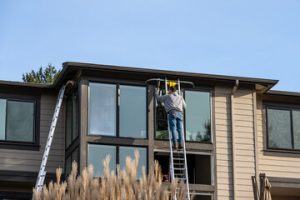
Pest Control Fort Pierce protects homes and businesses from hidden threats. It is both a science and a practice that prevents damage. Pests are more than nuisances; they carry health risks. Controlling them requires knowledge, strategy, and vigilance.

Understanding pest behavior is the first step in control. Each species has unique habits and life cycles. Observing these patterns informs treatment and prevention strategies. Knowledge reduces the likelihood of recurring infestations.
Prevention is more effective than reaction. Sealing entry points, proper sanitation, and habitat modification limit pest access. Early intervention saves time and resources. Homeowners often overlook small gaps that invite major problems.
Chemical treatments remain a common method of control. Modern formulations target pests while minimizing environmental impact. Application techniques are precise to avoid contamination. Proper use ensures both safety and effectiveness.
Biological control introduces natural predators to manage populations. Ladybugs, nematodes, and parasitic wasps can reduce pest numbers naturally. This method balances ecosystems rather than relying solely on chemicals. Sustainable approaches are increasingly preferred.
Monitoring is crucial for long-term success. Regular inspections identify early signs of infestation. Traps and sensors provide ongoing feedback. Proactive monitoring allows timely interventions.
Rodents present unique challenges in pest management. They reproduce quickly and adapt to changing conditions. Traps, exclusion methods, and careful monitoring are necessary. Rodent control combines prevention with strategic removal.
Insects require tailored approaches. Termites, ants, and cockroaches behave differently and respond to distinct treatments. Effective control depends on accurate identification. Misidentification leads to wasted effort and recurring problems.
Integrated Pest Management (IPM) emphasizes a holistic approach. It combines prevention, monitoring, and selective treatment. IPM minimizes chemical use while maximizing results. This methodology is the future of responsible pest control.
Education empowers homeowners and businesses. Understanding how pests enter and survive allows proactive measures. Simple habits like proper waste disposal reduce risks significantly. Awareness is a frontline defense against infestations.
Seasonal patterns affect pest activity. Warm months often increase insect populations, while cold months drive rodents indoors. Effective pest control anticipates these trends. Timing interventions improves efficiency and reduces damage.
Structural maintenance supports control efforts. Cracks, leaks, and damp areas attract pests. Regular building upkeep deters infestations. Prevention is integrated with environmental management.
Pest control extends to outdoor spaces as well. Gardens, lawns, and perimeters must be managed to limit breeding grounds. Mulch, standing water, and vegetation near buildings are common attractants. Outdoor management reduces indoor pressures.
Technology is transforming pest detection. Sensors, infrared cameras, and automated traps identify activity quickly. Data-driven approaches enhance precision and reduce unnecessary treatments. Innovation strengthens both safety and effectiveness.
Chemical safety is paramount in modern pest control. Pesticides must be stored, applied, and disposed of correctly. Safety protocols protect people, pets, and the environment. Responsible use prevents health hazards and ecological harm.
Pest control specialists require extensive training. Understanding entomology, rodent biology, and chemical applications is essential. Field experience complements theoretical knowledge. Expertise ensures accurate diagnosis and effective interventions.
Community awareness plays a role in large-scale control. Pests migrate and cross boundaries, affecting neighboring properties. Coordinated efforts prevent widespread infestations. Collaboration increases efficiency and reduces recurrence.
Termites are among the most destructive pests. They compromise wood structures silently and steadily. Detection often requires professional inspection. Early action prevents costly damage and structural weakening.
Bed bugs pose unique challenges in residential settings. They hide in cracks and crevices, emerging only to feed. Treatment involves thorough cleaning, chemical application, and sometimes heat or freezing. Persistent follow-up ensures complete eradication.
Mosquito control has public health implications. Reducing standing water, larvicide treatments, and targeted spraying limit populations. Vector control prevents disease transmission. Effective strategies combine prevention and timely intervention.
Cockroach infestations impact both health and perception. They contaminate surfaces and trigger allergies. Baits, traps, and sanitation reduce populations effectively. Integrated approaches address both immediate and long-term concerns.
Rodent infestations often reveal underlying environmental issues. Poor waste management and structural gaps create habitats. Addressing root causes is critical alongside removal. Sustainable solutions prevent future problems.
Fumigation remains a solution for severe infestations. Gas-based treatments penetrate difficult areas to eliminate pests thoroughly. Proper preparation and safety protocols are essential. Fumigation is effective but requires professional oversight.
Pest control also involves legal and regulatory compliance. Chemicals, disposal, and treatment practices must meet standards. Licensed professionals ensure adherence to regulations. Compliance protects clients and the environment.
Regular inspections reduce the risk of unexpected infestations. Checking structural vulnerabilities, stored materials, and moisture levels prevents surprises. Scheduled maintenance integrates seamlessly with long-term property care. Inspections serve as both prevention and monitoring.
Sanitation habits impact pest prevalence directly. Food residues, unsealed containers, and clutter attract unwanted visitors. Maintaining cleanliness is a cost-effective deterrent. Behavioral changes complement professional treatments.
Moisture management is a cornerstone of control. Leaks, condensation, and standing water encourage pests like termites and mosquitoes. Addressing plumbing and drainage reduces habitat opportunities. Dry environments deter infestations naturally.
Outdoor vegetation management complements interior control. Overgrown shrubs, tree branches, and dense ground cover provide shelter. Trimming and clearing reduce pest harborage. Landscaping is part of an integrated pest management plan.
Pet and family safety influence treatment choices. Low-toxicity products and targeted applications minimize risk. Professionals tailor interventions to sensitive environments. Safety and effectiveness go hand in hand.
Rodent-proofing structures involves both sealing and exclusion. Doors, vents, and foundation cracks must be protected. Materials must withstand chewing and weather. Effective exclusion prevents repeated intrusion.
Insecticide resistance is a growing concern. Overuse and misuse of chemicals reduce effectiveness over time. Rotating treatments and combining methods maintain control. Adaptive strategies prevent resilience from undermining efforts.
Education for business owners is critical in commercial settings. Storage, waste management, and employee practices affect pest control outcomes. Staff training ensures adherence to best practices. Consistency strengthens long-term results.
Heat treatments provide chemical-free solutions for certain pests. Controlled temperatures eradicate insects and their eggs. This method is environmentally friendly and highly effective. Precision and monitoring are key to success.
Trapping and monitoring devices give insight into pest activity. Sticky traps, pheromone lures, and electronic sensors provide valuable data. Monitoring supports targeted interventions. Data-driven control improves efficiency and reduces waste.
Public health intersects with pest control in multiple ways. Rodents, mosquitoes, and flies carry diseases that impact communities. Effective management protects both individuals and populations. Control strategies support wellness beyond private properties.
Integrated approaches combine sanitation, exclusion, chemical, and biological methods. This layered strategy targets multiple vulnerabilities simultaneously. Comprehensive plans outperform singular approaches. Long-term effectiveness relies on multifaceted methods.
Cost-effective solutions balance prevention and treatment. Early action reduces financial and structural damage. Proactive measures are more affordable than emergency interventions. Strategic planning maximizes impact per dollar spent.
Seasonal adjustments enhance control effectiveness. Some pests appear only in certain months or conditions. Adjusting strategies ensures year-round protection. Awareness of cycles improves both planning and results.
Behavioral insights shape effective pest management. Understanding attraction, feeding, and breeding habits guides interventions. Psychology complements biology in predicting pest movement. Knowledge informs both placement and timing of treatments.
Chemical alternatives reduce environmental impact. Plant-based solutions, microbials, and essential oils target pests safely. Combining natural and conventional methods maximizes results. Sustainability is becoming central to modern pest control.
Emergency response protocols address sudden infestations efficiently. Rapid action limits spread and damage. Professionals coordinate resources for immediate results. Preparedness ensures minimal disruption to daily life.
Pest control is a dynamic field requiring continuous learning. New species, climates, and behaviors demand adaptive strategies. Professionals invest in ongoing education and research. Expertise grows with both experience and innovation.
Customer education reinforces long-term outcomes. Explaining risks, preventive measures, and maintenance empowers property owners. Collaboration between clients and professionals strengthens results. Informed clients contribute to sustainable pest management.
Technology continues to enhance efficiency and precision. Digital tracking, automated traps, and AI analysis streamline operations. Technology reduces guesswork and enhances accuracy. Data-driven pest control is more reliable and efficient than ever.
Pest control is as much about prevention as it is about eradication. Maintaining cleanliness, monitoring, and habitat management minimizes future issues. Long-term planning ensures lasting protection. Prevention saves time, money, and property.
In conclusion, modern pest control integrates science, strategy, and innovation. Professionals combine observation, treatment, and prevention to protect spaces. Safety, sustainability, and effectiveness define best practices. The goal is not just removal, but lasting security and peace of mind.