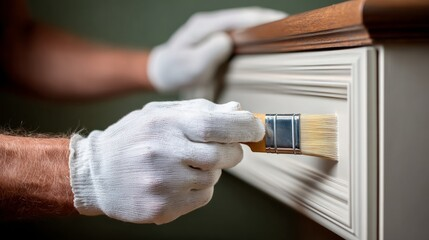
Cabinet Painting For Old Or Damaged Cabinets

Cabinet Painting Sacramento

Cabinet Painting Sacramento is a budget-friendly alternative to full refinishing or replacement. With full design flexibility and a quicker turnaround, it offers superior ROI compared to refacing.

Color matching is crucial to a seamless touch-up. The wrong shade can make repairs stand out instead of blending in. Sheen matters, too.

Preparation

Painting cabinetry provides homeowners with a cost-effective solution for updating their kitchen or bathroom. However, it’s important to understand the pitfalls of this DIY project before attempting it yourself. Achieving a professional-looking finish that lasts requires careful surface preparation. According to Mauro Herique, an expert in painting techniques, more than 85% of a successful cabinet paint job is spent on preparation. Thorough cleaning and sanding remove accumulated grease, grime and previous layers of paint while smoothing the surfaces for paint adhesion. Skipping these crucial steps can lead to poor coverage, unsightly or uneven finishes, and a cabinet paint job that deteriorates quickly.

Choosing the Right Surface Prep Products

To achieve a smooth finish that stands up to moisture, heat, grease and everyday wear and tear, it’s critical to use products formulated specifically for cabinets. Latex wall primers, for instance, aren’t designed to bond effectively with cabinet surfaces and won’t hold up in a damp or humid environment. To avoid costly mistakes, it’s best to work with a professional who has experience in cabinet painting.

Proper surface preparation can be a time-consuming and labor-intensive process. Depending on the size of the cabinets and level of damage, removing doors and drawers, cleaning the surfaces and degreasing them may take several hours or days. To make the job easier, it’s helpful to plan ahead and organize tools and materials. As you work, be sure to protect surrounding areas with drop cloths and painters tape.

It’s also essential to carefully clean and sand surfaces before priming. This helps ensure a clean and even base coat, which in turn promotes superior topcoat coverage and adhesion. Sherwin-Williams recommends a thorough cleaning with a degreasing cleaner, followed by sanding with progressively finer grits to create a smooth base.

After sanding, it’s a good idea to apply a coat of Sherwin-Williams Extreme Bond Primer in an inconspicuous area to ensure quality adhesion and a smooth result. Then, once the primer dries completely, you can begin the cabinet painting process. If the results are satisfactory, you’ll have a great-looking, long-lasting kitchen cabinet transformation that will give your home a fresh new look.

Primer

A primer is like the glue layer that connects your paint to the cabinet surface. It is a special formula designed to adhere really well, which makes it much easier for your top coat of paint to stick to the cabinet. It also provides a slightly rougher base, which is more compatible with the sheen you choose for your finish.

You need a good primer to avoid flaking, peeling, and other surface issues, especially since cabinets are constantly opening and closing, getting hit with moisture and spills, and otherwise seeing heavy use. A good primer will also help your finish hold up better over time, meaning that touch-ups will be less necessary.

When it comes to choosing a primer, there are many different options available, depending on what type of surface you’re working with and the desired outcome for your project. There are adhesion primers, stain blocking primers, and even oil-based primers that are great for projects involving nicotine stains or smoke damage. Adhesion primers work well for slick surfaces, like laminate, and create a strong bond to ensure that your top coat doesn’t peel or chip. Stain-blocking primers are excellent at hiding stains and preventing them from bleeding through the new paint. These are particularly effective on raw wood, such as oak.

Oil-based primers can require extra prep steps, such as sanding, but they provide superior adhesion and durability. However, they can take longer to dry and cure, which may not be ideal for a busy kitchen. There are water-based primers that are a good alternative, and these tend to be much faster drying. Zinnser BIN shellac primer is a great choice for a fast-drying, high-adhesion primer that is also easy to sand for smooth, professional results.

No matter which type of primer you choose, it’s important to follow the directions on the label and allow plenty of time for it to fully dry and cure before putting your cabinets back into use. It may take weeks or even months for some finishes, like enamel, to fully harden up. This isn’t to say you can’t use them sooner, but it’s best to give them the time they need to get nice and tough!

Paint

Most how-to’s for cabinet painting focus on using a smooth roller or high-quality brush to get the best result. This works well for other trim parts of your home, such as baseboards or window sills, but it can be difficult to get a consistent, smooth result on cabinets that are curved, molded, or have details like raised panels. A professional painter will use a special wide brush designed for cabinetry to get a good flow of paint, minimize drips, and avoid brush marks. They also know how to mix in leveling additives when necessary to achieve a really smooth result.

When painting cabinets, it’s important to choose a paint that will stand up to wear and tear. Most cabinet paint is a hybrid alkyd-urethane blend that’s specifically designed to resist chipping and peeling. This type of finish dries to a tough, durable surface that can be wiped down easily to remove grease or fingerprints.

You’ll also want to choose the sheen you prefer. Matte finishes are less shiny and hide fingerprints better, while glossy sheens are more resistant to moisture and stains.

If your cabinets are made of unfinished or raw wood, you’ll need to use a primer that blocks wood tannins before applying your first coat of cabinet paint. You’ll also need to carefully sand all surfaces before painting, making sure to get into the corners and detailed areas on doors and drawer fronts.

Another thing to keep in mind is the cost difference between refacing and painting. Refacing typically costs 30-50% less than replacing cabinets, but it’s still a significant expense.

Painting can be a great option if you love your kitchen’s layout and are satisfied with the functionality of your cabinets, but you want a fresh new look. However, it’s important to consider the time and labor involved in proper preparation, sanding, priming, and multiple coats of cabinet paint. In addition, painted cabinets may show more wear than refacing, requiring frequent touch-ups or full repainting over time.

Finish

Cabinet painting is a cost-effective way to update your kitchen or bathroom cabinets. A professional cabinet painter can refresh your cabinets with a new coat of paint, resulting in a dramatic transformation for a fraction of the price of replacing or refacing them.

To start, cabinet surfaces are cleaned and lightly sanded to prepare them for painting. Then, a primer specially formulated for cabinet surfaces is applied to seal surfaces, block stains and improve paint adhesion. After priming, a high-quality latex cabinet paint is brushed on in a color of your choice. Multiple coats of paint may be needed for full coverage and a durable finish. Finally, cabinet hardware is replaced and the cabinets are reinstalled to complete the transformation.

While cabinet painting is a budget-friendly option, it doesn’t address major problems or structural issues with your cabinets. It’s also more prone to wear and tear than refacing, so you may need to touch-up or repaint cabinets more often than with other options.

Another drawback of cabinet painting is that it can mask or cover natural wood grain and texture, which some homeowners prefer to showcase. Lastly, the process can be messy and labor-intensive. However, with the right tools and techniques, your kitchen cabinet painters can minimize mess and disruption to your daily routine.

While refacing is typically more expensive than painting, it’s a good option for homeowners who are looking to upgrade their cabinets with a minimal investment and maximum durability. Cabinet refacing replaces the cabinet doors and drawer fronts while leaving the cabinet boxes in place. They then cover them with a matching veneer, giving your kitchen a brand-new look for 30-50% less than cabinet replacement.

The Importance of Septic Tank Pumping

Solid waste from household drains travels anaerobically to the septic tank where bacteria further break down the material. The resulting sludge eventually fills the tank and must be removed regularly to avoid costly sewage backups.

Septic

A professional septic cleaning service is an essential part of responsible homeownership. They can help you schedule pumping services as needed to keep your septic system functioning how it should. Contact Septic Tank Pumping Madera for professional help.

Your septic tank is a hardworking, underground hero that manages your home’s waste day in and day out. But, like any other system, your septic tank needs to be properly cared for in order to function correctly and avoid expensive repairs. One of the most important tasks in septic tank maintenance is regular pumping. By removing the solid waste and harmful elements that build up inside your tank, pumping keeps your drains working their best and prevents environmental contamination.

While general guidelines suggest septic tank pumping every 1-3 years, this isn’t a one-size-fits-all solution. The size of your septic tank and household usage patterns play a significant role in how often you’ll need to get it pumped. For example, large families and heavy water usage typically require more frequent septic tank pumping.

Keeping up with your regular pumping schedule can help you avoid costly repairs and extend the life of your septic tank. But, if you are overdue for a septic tank pumping, there are several signs to look out for that can help you determine when it’s time to call in the professionals.

Slow Drains: If you notice that your sinks and toilets are taking longer than usual to drain, it’s likely that your septic tank is overdue for a pumping. Gurgling Pipes: If you hear a bubbling soundtrack coming from your plumbing, it’s a sign that your septic tank is overflowing. Odors: If you begin to notice odd smells from your toilets or in the yard, it’s likely that your septic system is overflowing and needs to be pumped.

Lush Grass: If you notice that the grass is a little too green around your septic tank and drain field, it’s likely time to get your septic system pumped.

While it’s true that septic tank pumping isn’t the most exciting homeowner maintenance task, it is essential for the long-term health of your septic system. Don’t let the initial cost of septic tank pumping deter you from this preventative maintenance. The investment will be worth it when you’re able to avoid expensive repairs and enjoy the peace of mind that comes with a well-maintained septic tank system.

Prevent Environmental Contamination

Septic tanks that aren’t pumped regularly can cause wastewater to back up into the home or building. This waste can also seep into the groundwater and surface water, contaminating soil and causing harm to plant life and posing health risks for humans. Having the tank pumped regularly prevents these issues and helps to keep the surrounding environment clean and healthy.

Solids from kitchen sinks, toilets, showers, washing machines and garbage disposals build up in the septic system over time. This is normal, but if not addressed quickly, the system can become overwhelmed and clogged. Regular septic tank pumping removes the accumulated solid waste and keeps the anaerobic process from becoming overloaded. This helps prevent the septic system from backing up, which reduces the amount of sewage that gets into the house and yard.

The more solids that are left behind in the septic tank, the less efficiently it processes incoming wastewater and sewage. When this happens, the septic system can become flooded and backed up, which causes drains to slow down or stop working altogether. This is a huge inconvenience and can be costly to repair. Getting the tank pumped regularly keeps the system working properly and prevents problems with drain lines.

Keeping the septic tank properly maintained is a great way to protect your investment and increase the value of your property. Potential buyers are more likely to purchase a home that has a history of proper septic tank maintenance.

If you’re ready to schedule your septic tank pumping, give us a call. We will take into account the size of your septic tank, how many people live in the home and their water usage habits to determine how often it should be pumped. We can also help you find the septic tank access point or manhole if it’s difficult to locate. It’s a good idea to keep it clear of trees, shrubs or other items that could cover the access port. If the septic tank is buried below ground level, we can install a riser to make it easier to access.

Extend the Life of Your Septic System

A septic system helps homeowners avoid sewage overflows, save on costly repairs, and ensure the health and safety of family members and guests. It also promotes groundwater recharge and reduces strain on municipal infrastructure. However, it can only do so if the tank and drain field remain free from clogs and excessive solid waste accumulation. Routine septic tank pumping removes sludge and scum layers that could otherwise overflow into the drain field, causing blockages and premature system failure.

While septic systems provide a number of significant benefits for homeowners, they don’t come without their fair share of drawbacks. Without routine cleanings and pumping services, the drain fields are susceptible to overflows of raw sewage and untreated wastewater that can pollute local water resources and cause illness in humans. This is why it’s important to take proactive measures to protect your septic system by scheduling regular maintenance and ensuring that it receives proper care.

Blocked septic systems are messy, expensive, and pose a serious health risk. When sewage overflows into the home, it can spread disease, contaminate drinking water, and damage your plumbing and appliances. In addition, a septic system that becomes overloaded with sludge and scum can overflow into the drain field, which will not only lead to costly repairs but also leave behind unpleasant odors.

As a general rule, it’s recommended to schedule cleaning and pumping services every three to five years. However, the exact frequency will depend on a variety of factors, including household size and water usage patterns. Heavy-usage homes may need to have their septic tanks cleaned and pumped more frequently.

By keeping your septic system in good condition through routine inspection and pumping, you can extend its lifespan and prevent the need for costly repairs. This can significantly increase the resale value of your property and ensure that your family is safe and healthy at home.

Avoid Unnecessary Repairs

When solid waste builds up in the septic tank, the capacity of the system decreases. This leads to clogs, backups, and other issues that require expensive repairs. Professional septic tank pumping restores the system to full functionality, avoiding costly repair needs and extending the lifespan of the entire septic system.

While septic tanks are designed to hold wastewater, it’s inevitable that solid waste will build up over time. These materials accumulate into sludge and scum layers in the tank, which reduces the system’s effectiveness at treating wastewater. This is why it’s critical to maintain a regular septic tank pumping schedule.

Septic tank pumping removes these layers, restoring the tank’s ability to accommodate wastewater effectively. The process also helps to avoid environmental contamination and health hazards that result from untreated sewage leaking into the surrounding environment.

If you notice a slow draining of sinks or toilets, it’s important to contact a septic service company. This sluggishness often indicates that the tank is close to its maximum capacity and can’t efficiently treat more wastewater. If left untreated, the problem could worsen and lead to a septic system emergency.

Consistent maintenance prevents these issues, reducing long-term expenses and minimizing potential disruption to household operations. Hiring a professional septic tank pumping service transforms the cost of upkeep into an investment that protects more significant investments, such as property value and peace of mind.

Professional septic system cleaning and septic tank pumping are similar processes, but they have different scopes of work that affect the timeline needed for complete maintenance. For example, septic system cleaning relies on specialized truck-mounted agitation nozzles that dislodge and extract solid waste from the interior of the tank. Septic tank pumping, on the other hand, involves bringing far larger vacuum pump trucks to the property and using their heavy-duty hoses to evacuate all liquid effluent and solid sludge waste from every component of the septic system.

As the system is pumped, the septic service technician conducts a thorough inspection to assess the septic tank and septic system’s overall condition. These inspections allow the technicians to spot any potential problems that may require repair before they become an emergency. A septic system that fails to function properly threatens family health and safety, imposes an environmental hazard, and reduces property value. Consistent maintenance keeps your septic system functioning properly, minimizing the risk of unexpected failure and allowing you to enjoy all that your home has to offer.